A reported U.S. pause on further Iran sanctions and talks between Iran and Oman over a temporary shipping corridor have coincided with crude's third straight decline. Shipping data shows Gulf tanker traffic still running at roughly a third of normal, and oil companies are reportedly avoiding vessels on a new blacklist.
Oil fell for a third straight session this week. The decline began with Monday's expanded U.S. sanctions on Iran and continued as Iran and Oman were reported to be nearing a deal on a temporary shipping corridor through the Strait of Hormuz. WTI crude closed at $87.06 on August 21 and traded at $80.18 by Wednesday morning, a decline of almost 8% over four sessions. Brent fell to $84.81 from Tuesday's close of $88.58.
The U.S. is reportedly holding back on additional secondary sanctions while the talks continue. That has not been confirmed by the Treasury or the State Department and should be treated as an open question rather than settled policy.
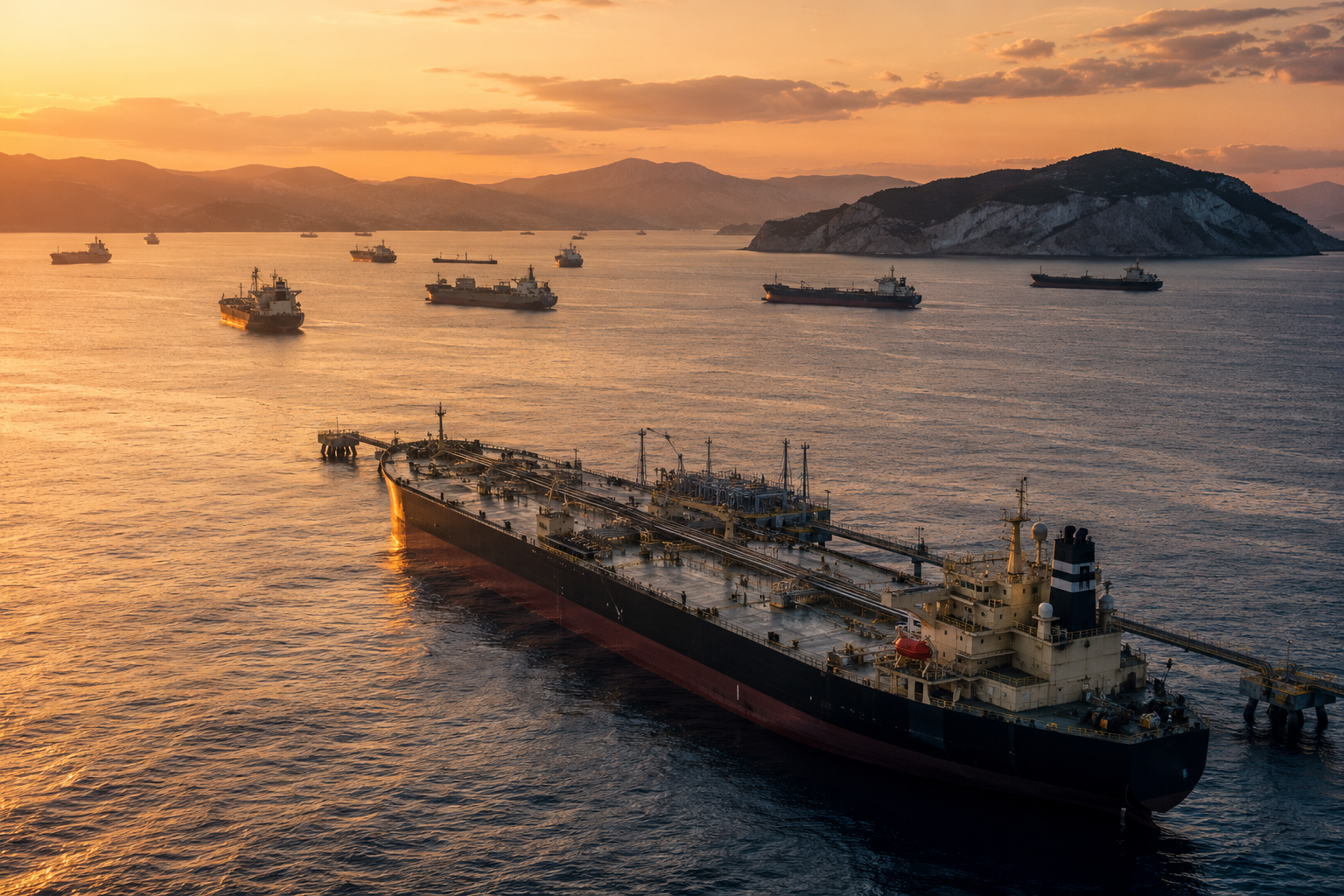
The shipping data argues against a resolved picture. Five commodity vessels crossed the Strait of Hormuz on Tuesday, roughly unchanged from the day before. That is well below the recent daily average of 15. Several refiners and a global energy company are also reportedly avoiding vessels on a newly expanded U.S. blacklist, including for ship-to-ship transfers.
Those two facts sit uneasily together. A market pricing a lower chance of a physical supply disruption is trading against shipping activity that remains depressed and enforcement that is visibly tightening. Energy Aspects' Amrita Sen has questioned whether the current Oman-Iran framework will hold. A similar version of the shipping-corridor proposal has circulated before without producing a formal deal.
The price move is not entirely mysterious. Some of the decline predates the Hormuz headlines and traces to Monday's sanctions announcement itself, which AJ Bell's Dan Coatsworth described as "less severe than anticipated." The talks coincided with oil's slide. They did not start it.
The bigger open question carries over from Monday: whether major Chinese banks, the institutions that would most directly cut off Iran's ability to sell crude to its largest buyer, are a named target of the sanctions package or only a threatened one. A confirmed pause on further escalation would say something about how Washington is weighing the cost of expanding enforcement that far against the leverage the current measures have already produced. Until the pause is confirmed and the Hormuz framework is finalized or abandoned, the shipping data is the more reliable signal of how contained this situation actually is.