Polymarket's international platform has listed about 31,000 equity-linked markets, most of them on individual stocks, while Kalshi runs roughly 2,500 daily markets on indexes and company metrics.
Prediction markets spent the past two years arguing that elections and sports are not gambling. Their newest product raises a different question: whether a bet on a stock is a security.
Polymarket's offshore entity, Polymarket International, has offered markets tied to equities since October 2025. Through early September, traders had wagered more than $220 million across about 31,000 of them, nearly 60% on moves in individual stocks. Nvidia, Alphabet, Apple and Tesla drew the most activity. Kalshi, which is regulated in the U.S. by the Commodity Futures Trading Commission, runs about 2,500 daily markets on stock indexes and on company performance measures such as iPhone launches and Tesla delivery counts.
Small markets, many of them
The dollar amounts are modest by stock market standards. Spread across 31,000 markets, $220 million averages about $7,100 each. About $130 million has gone to single-stock contracts.
The count is what worries the people who study market structure. "This is a new frontier for market structure. It's innovation on steroids," said Yesha Yadav, an associate dean at Vanderbilt Law School, who said regulators need to be "urgent and creative."
James Angel, a Georgetown University finance professor, pointed to the offshore structure. "That's obviously the kind of thing that our regulators should be having nightmares about," he said.
The insider-trading problem
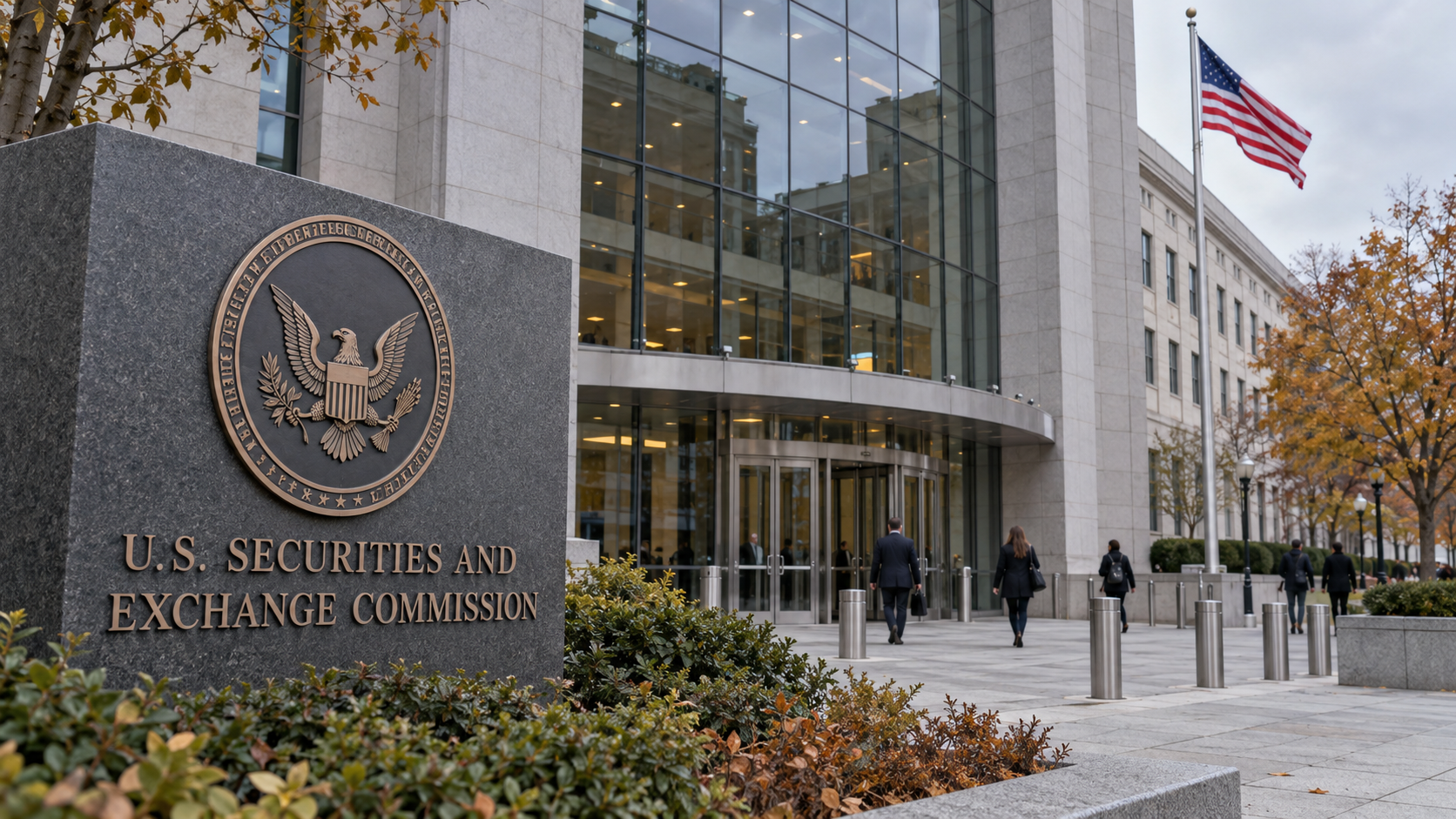
Contracts on corporate metrics raise a specific risk. Employees, suppliers and analysts may know a delivery count or product-launch detail before the public does. "You could envision insider trading taking place in these KPIs just as easily as you could in the stocks," said Ben Schiffrin, a former Securities and Exchange Commission official now at Better Markets, who called policing it "the SEC's job."
Sen. Adam Schiff, a California Democrat, said the platforms should not "sidestep America's securities laws by wrapping traditional financial products in the guise of prediction contracts."
The SEC and the CFTC both declined to comment.
The jurisdiction gap
The question has started to reach Congress. Last week, Democrats on the Senate Banking Committee asked the chairman, Sen. Tim Scott, for a public hearing on prediction markets and raised the possibility that contracts tied to securities fall under SEC oversight. The same day, committee Republicans held a private roundtable with Kalshi Chief Executive Tarek Mansour that Scott's office described as covering "securities-linked products."
Most litigation over prediction markets so far has pitted the CFTC against state gambling regulators. A contract on Nvidia's share price or Tesla's deliveries brings a third regulator into the argument, with different disclosure rules and insider-trading law.
For listed companies, the stakes are practical. A market on a company's own performance metric creates an incentive to trade on nonpublic information that sits outside the company's usual trading controls.
A statement or enforcement action from the SEC naming equity-linked event contracts would be the first sign of which agency plans to act. A Senate Banking hearing, if scheduled, would put the platforms' executives on the record.