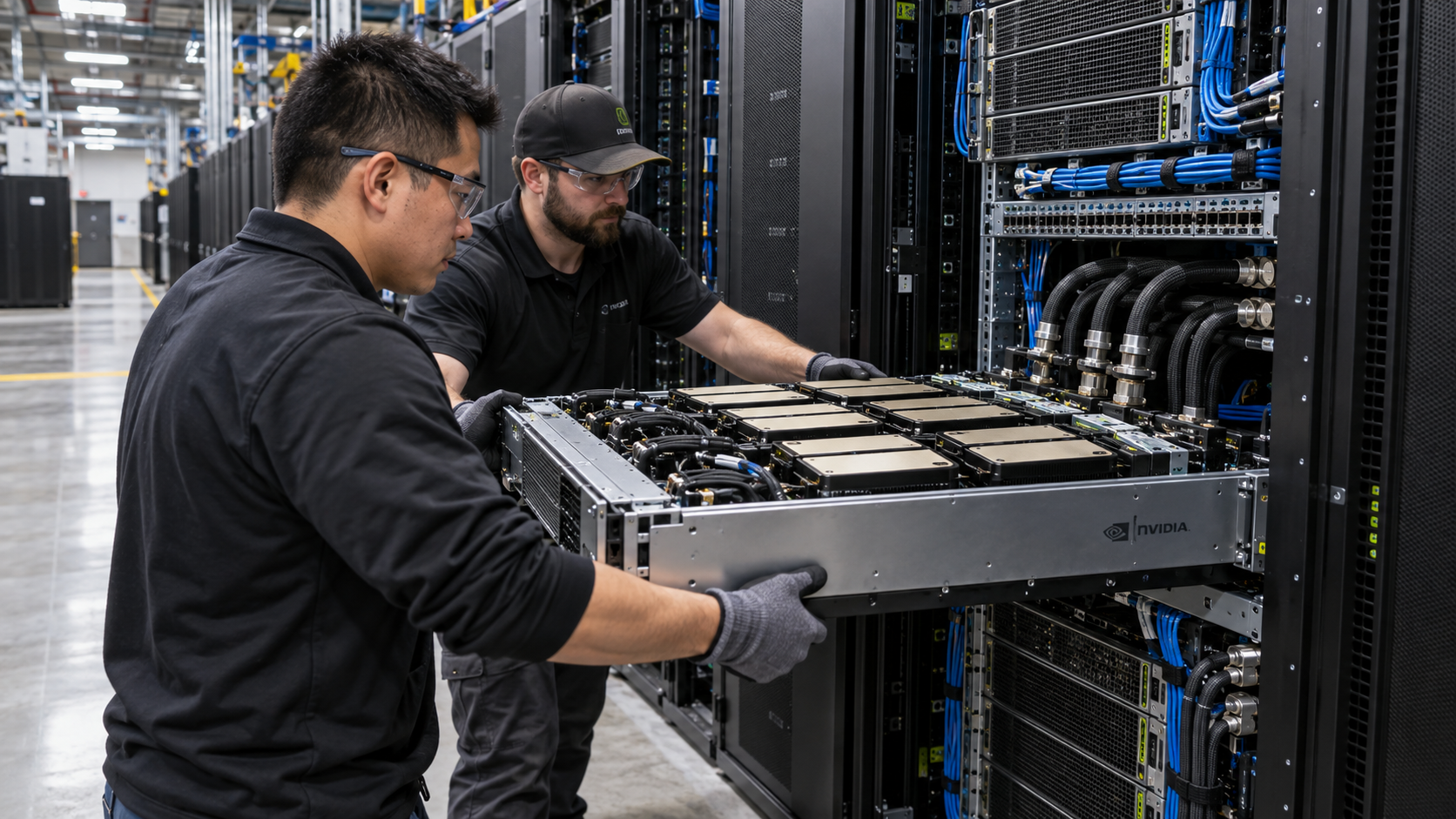
The chipmaker's exposure to private AI companies now runs from credit support to leases to 229 private stakes, and it says gains on those stakes will flow back to shareholders.
The biggest number in Nvidia's balance sheet story on Monday was not the buyback.
Nvidia raised its share repurchase authorization to $235 billion. The loan guarantees it offered customers last month can reach $500 billion, about 2.1 times that figure and more than five quarters of revenue at the $96.2 billion Nvidia booked in the quarter ended in July. The guarantees are partial and are being arranged with Wall Street firms to help buyers of its chips finance the data centers that house them.
A ledger of exposure
Put in order of size, Nvidia's ties to the private companies that make up much of its customer base look like this.
Credit comes first. Beyond the $500 billion guarantee program, Nvidia has agreed to stand behind OpenAI's data-center project in Ohio.
Leases come next. Nvidia has signed about $20 billion of long-term data-center leases to support the industry, and says it expects to pass them on to other companies.
Equity is the smallest in disclosed dollars but the broadest in reach. Nvidia said in Monday's investor presentation that it owns stakes in 229 private companies and 13 public ones, roughly 18 private holdings for every listed one. They include young cloud providers that buy its hardware and model developers such as OpenAI.
Recycling the gains
The equity book is the part Nvidia now says is paying off. Exits have returned more than three times the money invested, and the company said surplus cash from the portfolio will be returned through repurchases and a "gradually growing dividend."
Nvidia's case for all of this is speed. The company says the industry is growing faster than young firms can raise capital on their own. "Nvidia is needed to help power this flywheel," Chief Financial Officer Colette Kress said on the late-August earnings call.
The loop
The critique is that the flywheel runs partly on Nvidia's own money. A supplier that owns, guarantees and leases on behalf of its buyers is helping to fund some of the demand it reports as sales. A three-to-one return on exits shows that some of the bets have worked. It says nothing about how the guaranteed loans would perform if AI spending slowed, because exits are drawn from the winners and guarantees are exposed to everyone else.
That distinction gives investors something specific to watch. How much of the $500 billion is actually drawn, whether the $20 billion of leases find new tenants as planned, and whether portfolio gains keep arriving fast enough to fund buybacks will show whether Nvidia's balance sheet is recycling profits or underwriting risk.