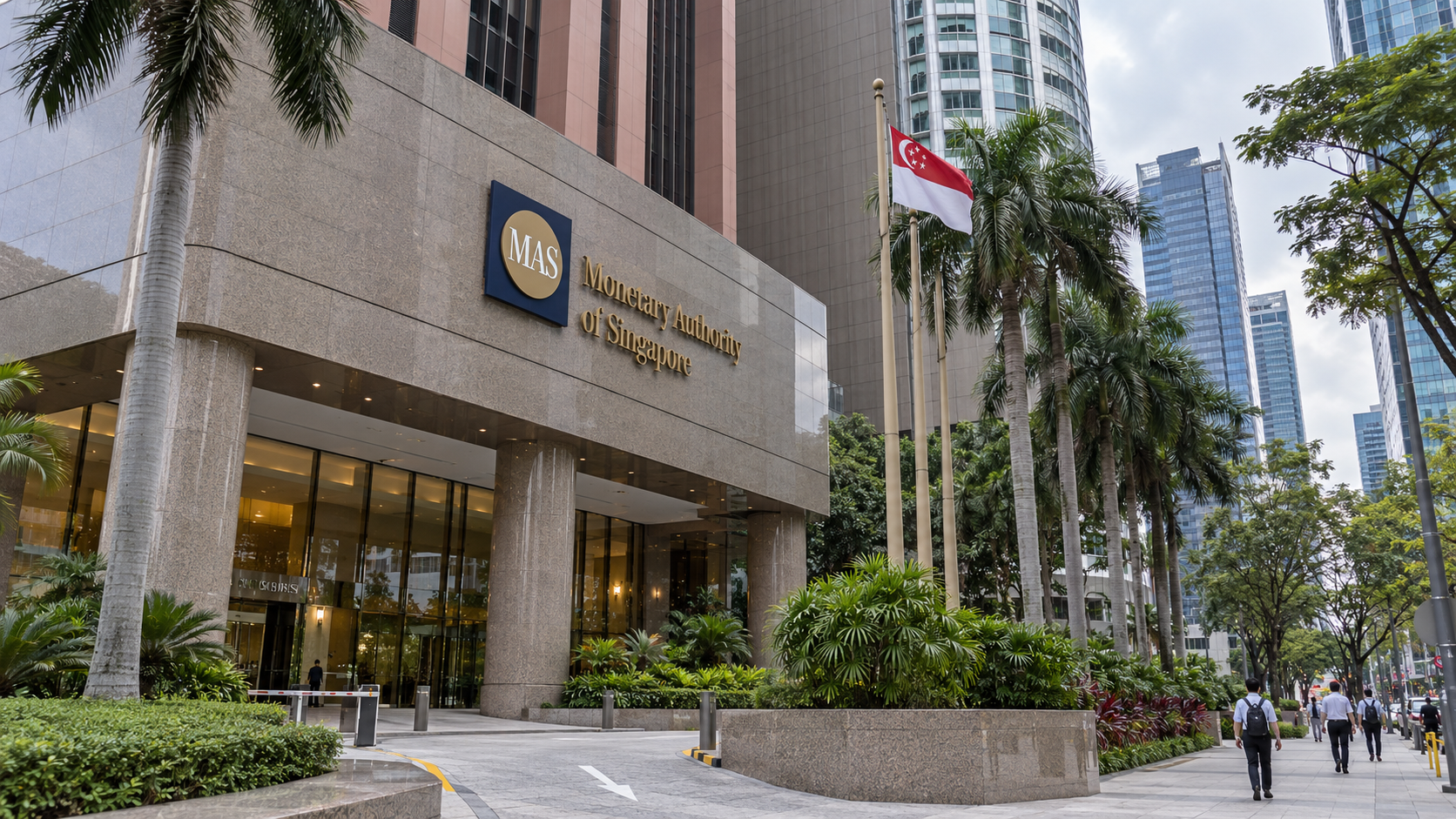
The Monetary Authority of Singapore said the two central banks are now policymaker members of its BLOOM initiative, which is building common approaches for using regulated stablecoins and tokenized deposits across borders. The World Bank Group also joined.
Three Southeast Asian central banks are now working together on how regulated digital money should move between their economies.
The Monetary Authority of Singapore said on Friday that Bank Negara Malaysia and the Bank of Thailand have joined BLOOM as policymaker members. The initiative, whose name stands for Borderless, Liquid, Open, Online, Multi-currency, works on common approaches to using regulated stablecoins and tokenized bank deposits in cross-border payments, including how they are accepted, exchanged and settled across jurisdictions.
The three central banks "will partner industry players ... to develop common approaches for the cross-border use of digital money," MAS said.
Industry participation also widened. New participants include Airwallex, Mastercard, Maybank, Monee, Nium, Ripple, ShopeePay, Visa and the World Bank Group. Circle, Coinbase and JPMorgan were already involved. MAS launched BLOOM in October 2025.
What it is, and what it is not
BLOOM is a coordination framework. No central bank has launched a stablecoin through it, and no payment network's product has been chosen to settle transactions. The work covers three practical problems: whether a token issued in one country will be accepted in another, whether systems can interoperate, and how to build in controls such as identity checks and sanctions screening.
No timelines, pilots or transaction volumes were announced.
Why the roster matters
The value of a standards effort depends on who is in the room. With the two largest card networks, a major Malaysian bank, Southeast Asia's big consumer platforms and established stablecoin issuers alongside three central banks, BLOOM now includes many of the parties that would need to agree for cross-border stablecoin payments to work at scale in the region.
For issuers, common rules would cut the cost of setting up arrangements one country at a time. For Visa and Mastercard, participation keeps them inside a system that could eventually route around card rails.
A standards exercise, for now
The optimistic reading is that Asia is writing the cross-border rulebook for regulated stablecoins before the U.S. finishes its own, which would give issuers active in the region, including Circle and Ripple, a head start.
The cautious reading is that consensus-building among central banks is slow, and the initiative may produce frameworks long before it produces payment volume.
There was no visible market reaction. XRP was little changed at about $1.31, and Visa shares fell about 1.4% in a weak session for payment stocks.
What to watch
The first pilot transactions or published standards from BLOOM, and whether other central banks in the region join.