
The 30-year Treasury yield hit 5.335% as Brent held above $90 and Hormuz traffic stayed near a trickle. The Nasdaq fell 1.2% as memory stocks sold off. Bitcoin held near $64,000 while large holders added roughly 43,000 BTC in 60 days.
Tuesday's pressure came from the long end.
The S&P 500 fell 0.69%, the Nasdaq dropped 1.33%, and the Dow slipped 0.22%. Tech took the hardest hit. Western Digital (WDC) fell over 7%, Sandisk (SNDK) dropped 9%, Marvell (MRVL) lost almost 8%, and Seagate (STX) fell 9%.
Oil added another layer. WTI held near $85 while Brent stayed above $90 as hopes for a U.S.-Iran deal faded. Trump said no talks are scheduled with Tehran and that the naval blockade remains in place.
The bigger move was global. The U.S. 30-year yield hit 5.335%. Japan's 10-year reached a three-decade high. Germany's long yields reached levels last seen in 2011, while France hit its highest since 2008.
Health care and biotech moved the other way, with ETFs in both groups reaching records as money rotated out of tech.
The Signal
Stocks are no longer fighting only oil. They are fighting a global rise in the cost of long-term capital.
In January, Gold Touched Nearly $5,600 an Ounce. Today It's Around $4,100.
So the story's over, right?
Then explain this.
The metal is still leaving the vaults. Physical deliveries still running at levels the exchange rarely processed before. Central banks still buying. Dealers charging 30-40% premiums over paper price for real coins.
When price falls but physical demand doesn't — only one of those two is telling the truth.
The paper market sets the price. The physical market sets the deadline.
Anyone who wished they'd bought miners before January's run just got handed the entry back.
One company I've been tracking controls an 88 million ounce deposit — trading near $4 billion. About 1% of the value of its metal in the ground.
That gap is the whole opportunity.
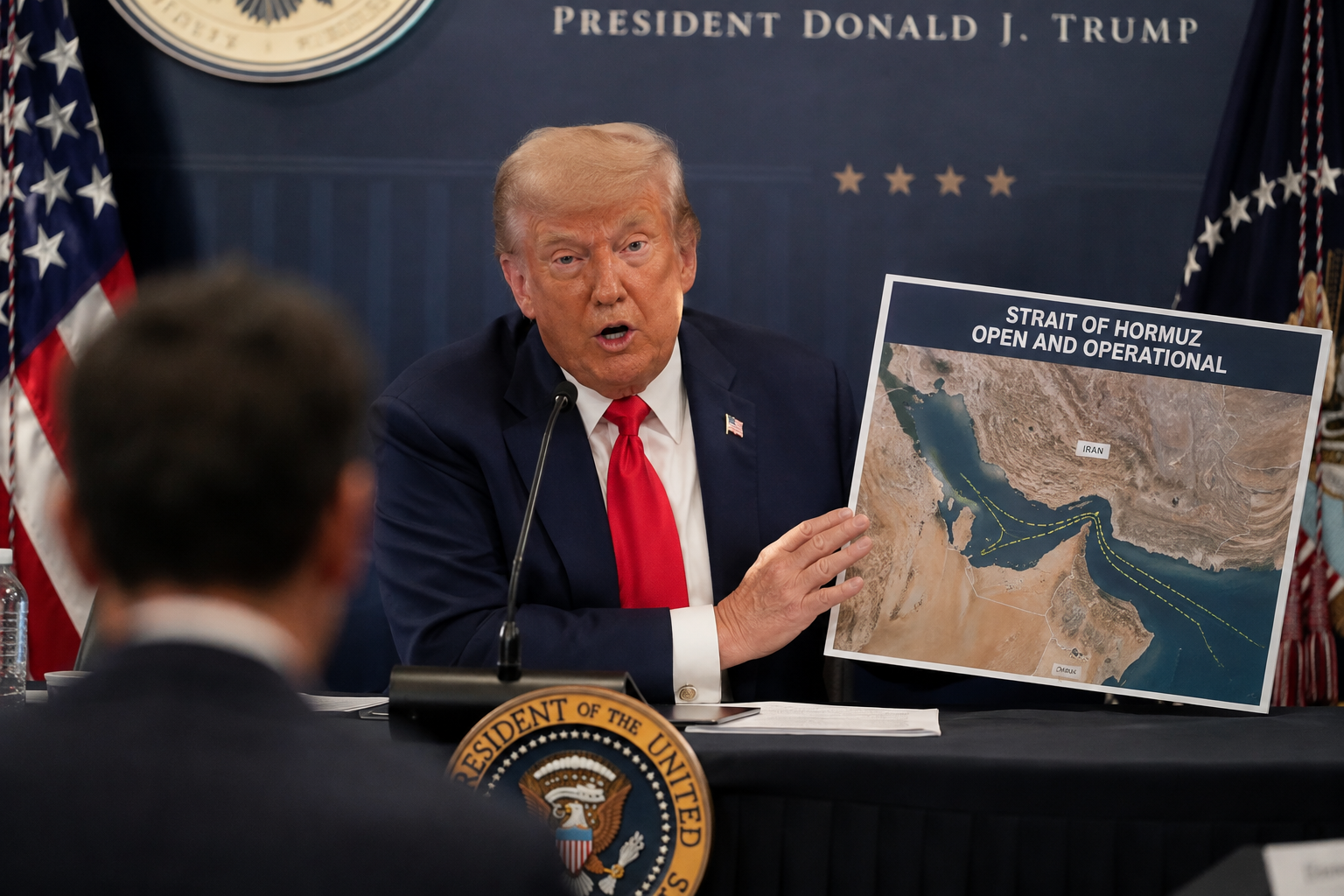
Trump says Hormuz is open. The ships say otherwise.
Trump said Tuesday that the strait is "open and operating" and claimed all mines had been removed or destroyed. U.S. Central Command did not confirm that claim.
The physical data points the other way. Kpler counted 10 crossings Monday and only two Sunday. The five-day average is near 10, the lowest since May 11. Before the war, roughly 130 vessels crossed each day.
Then another ship was hit. A cargo vessel was struck less than one nautical mile from Oman while exiting Hormuz, damaging its engine room and killing one crew member. Since February 28, at least 17 mariners have died in 65 attacks on commercial vessels.
Diplomacy is not filling the gap. Trump said the U.S. is not negotiating with Iran and has no plans to start. Iran says Hormuz remains closed until Washington meets its commitments under the June agreement.
Energy Signal
A strait averaging 10 crossings against 130 before the war is not open in any normal sense. Oil is trading the physical traffic, not the political description.
The long-bond selloff went global Tuesday.
The U.S. 30-year Treasury yield reached 5.335%, its highest in more than two decades. The 10-year touched 4.748%, while the 20-year reached its highest level since its 2006 revival.
The same move appeared overseas. Japan's 10-year hit a 30-year high. Germany's benchmark yield reached a 15-year high, while French yields climbed to their highest since 2008.
Oil explains part of it. Brent above $90 keeps inflation risk alive. But the selloff is broader than energy. Heavy government borrowing, larger deficits and rising term premiums are forcing investors to demand more for lending long.
AI is adding another buyer for the same capital. Data centers, power grids and chip infrastructure need hundreds of billions of dollars in financing just as governments issue more debt.
The dollar did not confirm the yield move. The dollar index held near 99.58, while markets still price roughly a 70% chance the Fed keeps rates unchanged in September.
Macro Signal
The Fed controls the short end. It does not control what investors demand to lend for 30 years. Tuesday made that distinction expensive.

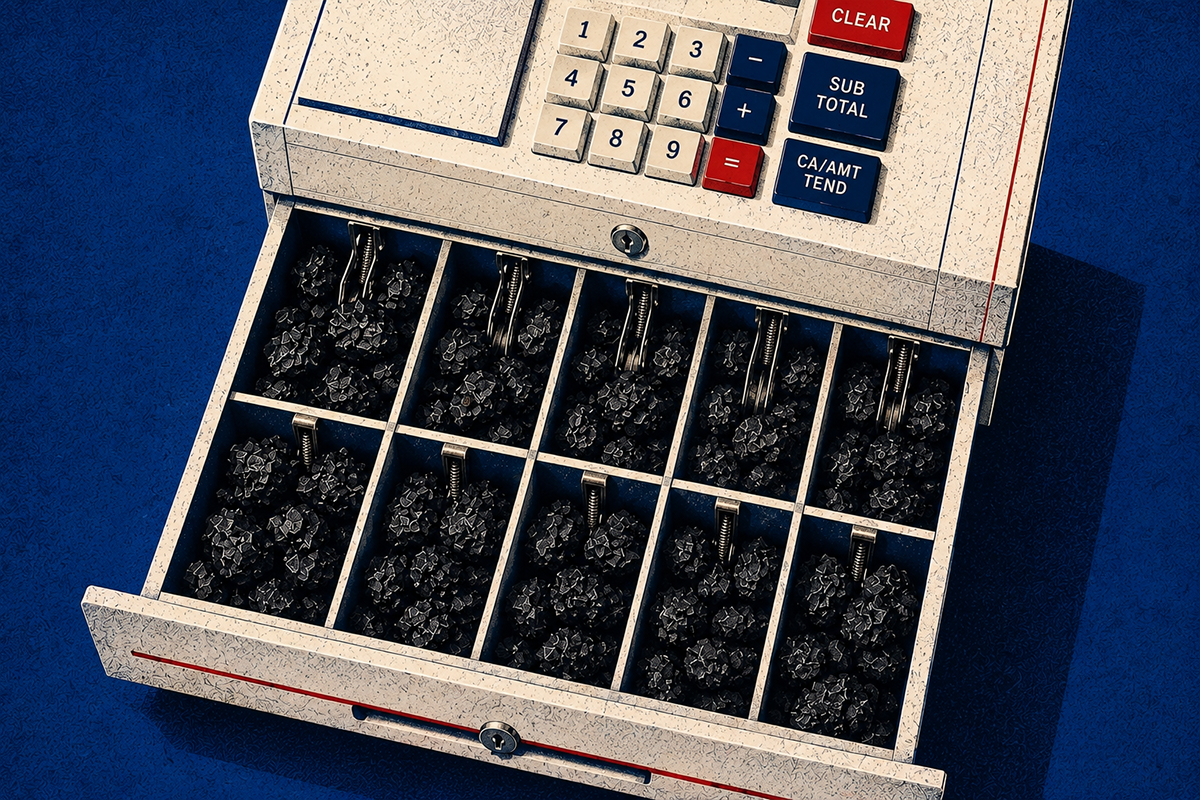
Everyone Else Burns Coal. This Company Cashes It In.
One lump of coal holds six separate commodities, and almost every company on earth just sets it on fire. Frontieras patented a way to split it apart instead.
Their process pulls diesel, jet fuel, naphtha, hydrogen, and fertilizer out of the same ton of coal, without burning any of it. One rock. Six markets totaling $2.1 trillion annually*.
Every ton of coal already has a 10-year buyer locked in, so the revenue is contracted before the plant even fully ramps up. Patents across 9 countries protect the process too, meaning no competitor can replicate and cut into that revenue once it's flowing.
Six revenue streams from one raw material means no dependence on a single commodity swinging the wrong way. Become an early-stage Frontieras investor before the opportunity closes 8/27.
This is a paid advertisement for Frontieras’s Regulation A offering. Please read the offering circular at https://invest.frontieras.com/. Forward looking statements were included here that the Company believes to be accurate given the current information. They involve known and unknown risks, uncertainties and other important factors which if changed may affect the outcome(s). Reservation of the ticker symbol is not a guarantee that we will be listed on the NASDAQ. Listing on the NASDAQ is subject to approvals. Under Regulation A+, a company has the ability to change its share price by up to 20%, without requalifying the offering with the SEC.
Home Depot (HD) gave the retail week a better start than Friday's sales data suggested.
Adjusted earnings came in at $4.92 per share against $4.73 expected, while revenue rose 5.7% to $47.86 billion. Comparable sales gained 1.7%, nearly double the 0.9% expected and the strongest result since the third quarter of 2022.
Management still kept full-year guidance unchanged. Home Depot sees sales growth of 2.5% to 4.5% and an operating margin of 12.4% to 12.6%. Consumers are still avoiding larger renovation projects as high rates, fuel costs and uncertainty weigh on spending.
Prediction markets had their own growth story. Novig reported more than $125 million in notional volume during its first week after launching August 4. Its opening sports-contract volume topped the first-week totals of Kalshi, Polymarket U.S., Underdog and DraftKings' DKeX, according to data shared with CNBC.
That puts another competitor into a market already facing state and federal fights over whether sports event contracts are financial products or gambling.
Capital Signal
Home Depot showed consumers are still spending, just not committing to big projects. Novig showed traders are still spending too, even before regulators decide exactly what the product is.
Bitcoin's price is quiet. Its largest holders are not.
BTC traded near $64,200 Tuesday, up roughly 0.8%, while Ether slipped near $1,899. Oil, long yields and regulatory delays continue to cap risk appetite.
Underneath that price, whale behavior has changed. Large holders added roughly 43,000 BTC over the past 60 days, worth about $2.8 billion. CryptoQuant's data excludes exchanges and mining pools. Smaller large holders have also increased balances.
That accumulation picked up around the $60,000 area, even as retail activity weakened and some corporate treasury buyers stepped back.
The macro ceiling remains. Higher oil raises inflation risk. Higher long yields make non-yielding assets harder to own. The CLARITY Act is still delayed, while a White House meeting on crypto and prediction markets is expected this week.
The Verdict
Bitcoin is stuck near $64,000 because the macro trade offers little room for conviction. Whales are using that same lack of conviction to accumulate.
FREE Gold Ticker to Buy ASAP: (NYSE:___)
Jim Rickards – the world’s #1 gold expert – has just revealed one of his favorite gold plays… 100% FREE

As Jim sees it, we’re witnessing the biggest gold boom of the last 100 years – and those who keep their money on the sidelines are missing their chance at a fortune thanks to gold’s epic run.
But smart investors who get in now, could make 10X their money in the coming months.
Tuesday exposed the gap between what officials say and what markets can measure.
Trump says Hormuz is open. Traffic is running near 10 ships a day against roughly 130 before the war, and another vessel was hit Tuesday.
The Fed may hold in September. The 30-year yield still reached 5.335%, while long yields from Japan to Europe hit multiyear highs.
Home Depot beat, but would not raise guidance. Bitcoin barely moved, while whales bought roughly 43,000 BTC in 60 days.
Those are the same trade in different markets. The surface looks stable. The structure underneath it is moving.
Wednesday's Fed minutes now have to explain how much of that pressure monetary policy can actually control.