A joint venture's decade-long expansion plan to meet AI-driven memory demand was followed by same-day declines in both partners' shares, while a rival that isn't spending rose.
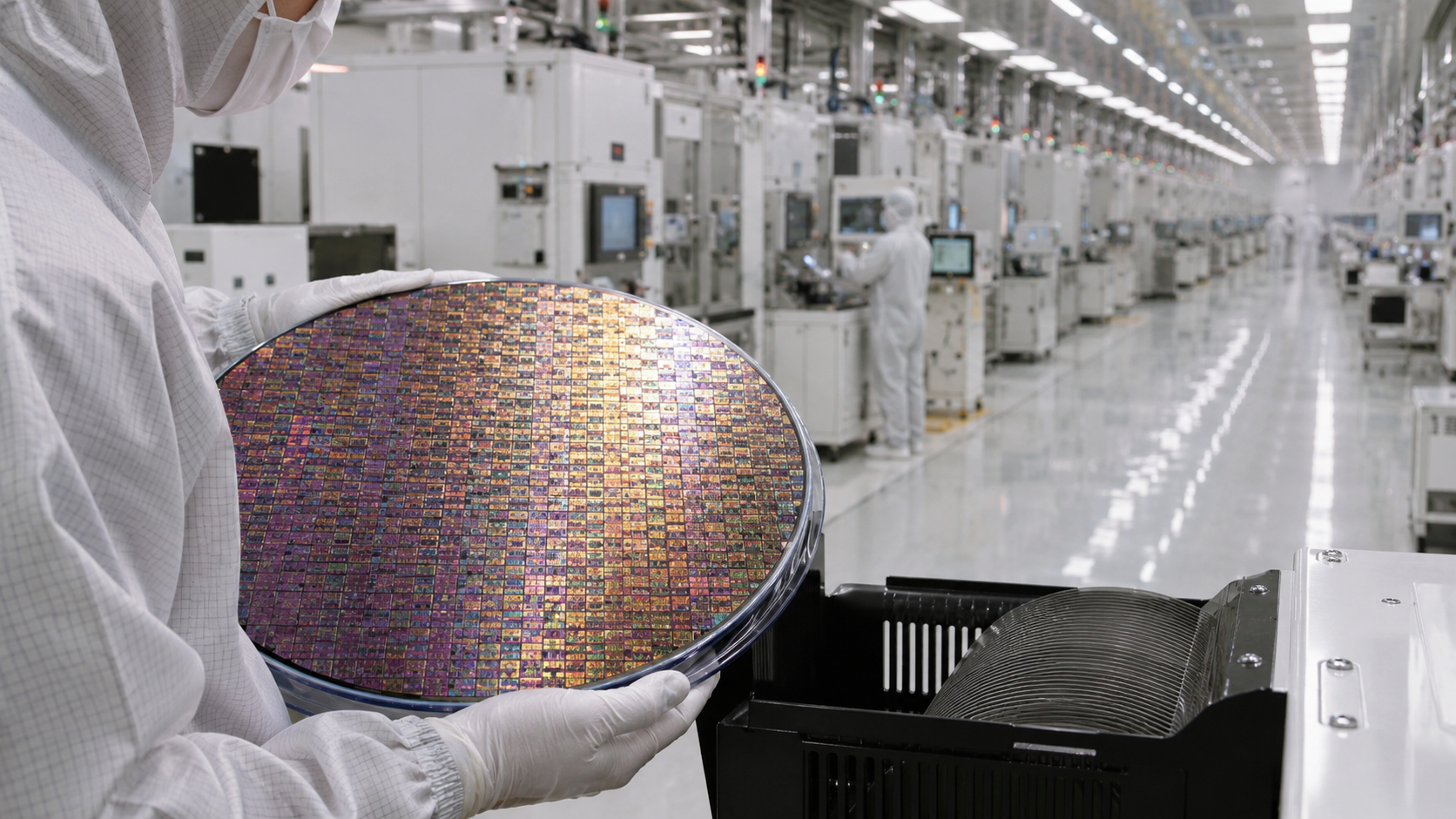
Kioxia and SanDisk said their joint venture plans to invest more than $31 billion through 2032 to expand flash memory production in Japan, centered on a new facility at Kioxia's Kitakami plant in Iwate Prefecture targeted to begin operating in fiscal 2029. The companies framed the investment as necessary to meet growing demand for NAND flash memory tied to artificial intelligence infrastructure, continuing a partnership that has put more than $50 billion into Japanese production over the past 25 years. The investment is contingent on support from the Japanese government.
Kioxia's Hiroo Ota said the company intends to "continue to meet growing demand for high-capacity, high-performance, and power-efficient flash memory." That framing, of an industry racing to keep up with AI-driven demand, is the same one behind this year's broader run-up in memory chip stocks.
The market's immediate reaction cut the other way. Kioxia shares fell 5.92% on the day and SanDisk fell 0.96%, while SK Hynix, a rival that did not announce new capital spending alongside this news, rose 0.42%. A $31 billion, multiyear capital commitment is exactly the kind of announcement that can read as confidence in a demand cycle or as a financing and execution burden that weighs on near-term returns, and on this day, investors in the two companies actually making the commitment leaned toward the latter read while a rival not making the same commitment gained.
Whether that reaction holds depends on details the announcement itself left open. Construction timing and equipment spending are still to be determined based on market conditions, and the plan's dependence on Japanese government backing means it isn't yet a fully committed capital plan.