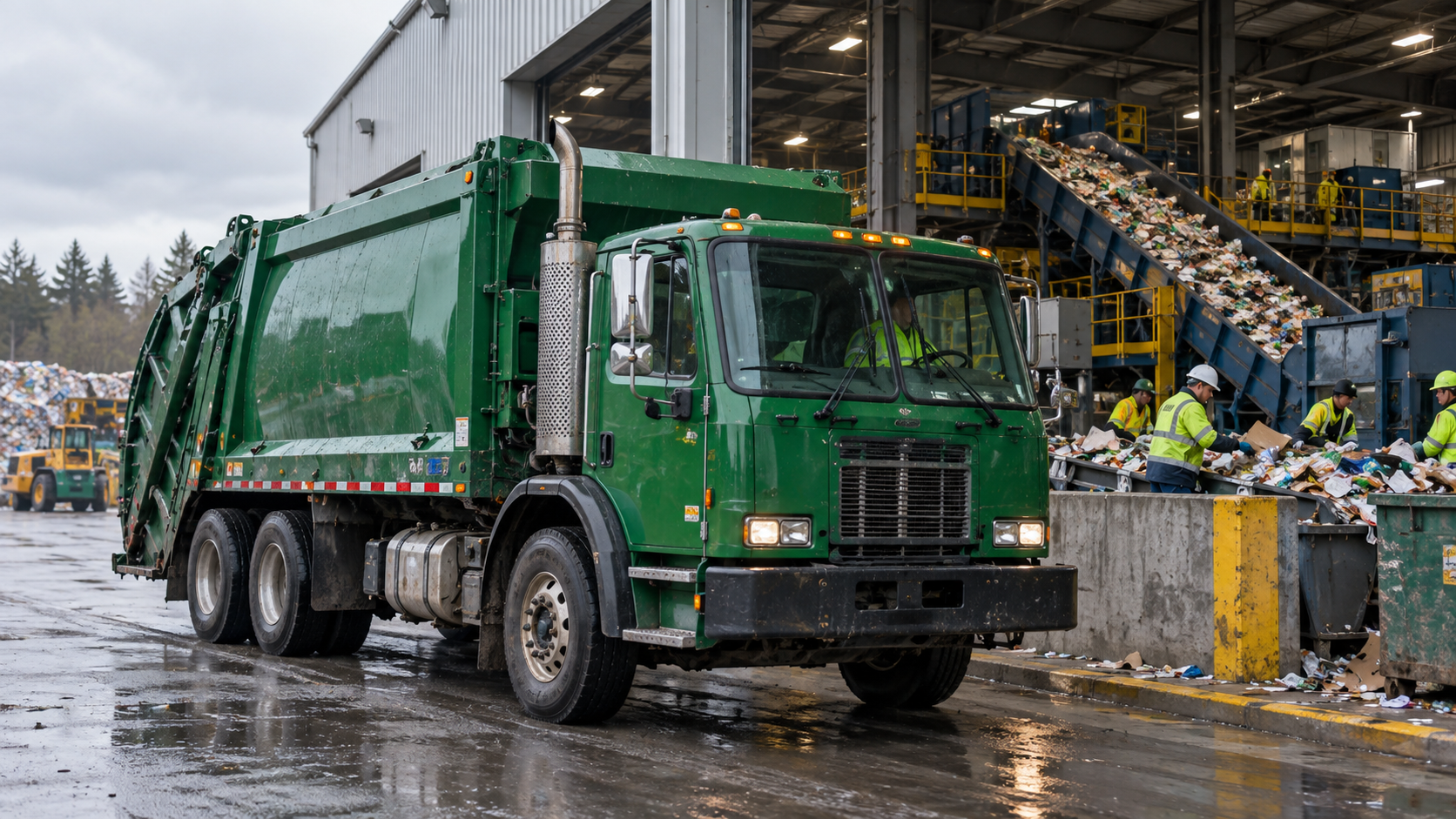
Rival groups led by Blackstone and Brookfield are eyeing the waste company. At a 5.23% 10-year yield, the bidder with the cheapest, most patient capital has the edge.
A contest may be forming for GFL Environmental, the North American waste and environmental services company, with two groups of large private investors weighing bids to take it private.
One consortium includes Blackstone, KKR and Energy Capital Partners. A rival group pairs Brookfield with IFM Investors. Both have been circling the company since mid-September, and neither has announced an offer.
Why waste looks like infrastructure
The lineup of suitors says a great deal about how private capital views the asset. Waste collection and disposal businesses generate contracted, recurring revenue, operate landfills that are hard to replicate and tend to raise prices with inflation. Those traits resemble toll roads and utilities more than typical industrial companies, which is why infrastructure specialists such as IFM and Brookfield are in the mix alongside buyout firms.
The rate problem
The timing is demanding. With the 10-year Treasury yield near 5.23%, the highest since 2007, the cost of borrowing to fund a large take-private has risen sharply. That changes the arithmetic for a traditional leveraged buyout, which depends on cheap debt to lift equity returns.
It also shifts the advantage. Infrastructure investors with long-dated capital from pension funds and sovereign wealth funds can accept lower annual returns over longer holding periods and use less leverage. Buyout firms that need higher returns over shorter periods are more exposed to financing costs. Blackstone's group includes both kinds of capital, which may be why it assembled a broad consortium rather than bidding alone.
What to watch
The first signal will be whether either group makes a formal approach public, and at what premium. A bid structured with modest leverage and a long hold would point to infrastructure-style underwriting winning out. A bid that relies on heavy borrowing would suggest buyout firms still see enough margin to absorb today's rates. A competitive process between the two groups would also give GFL's board leverage to push for a higher price.