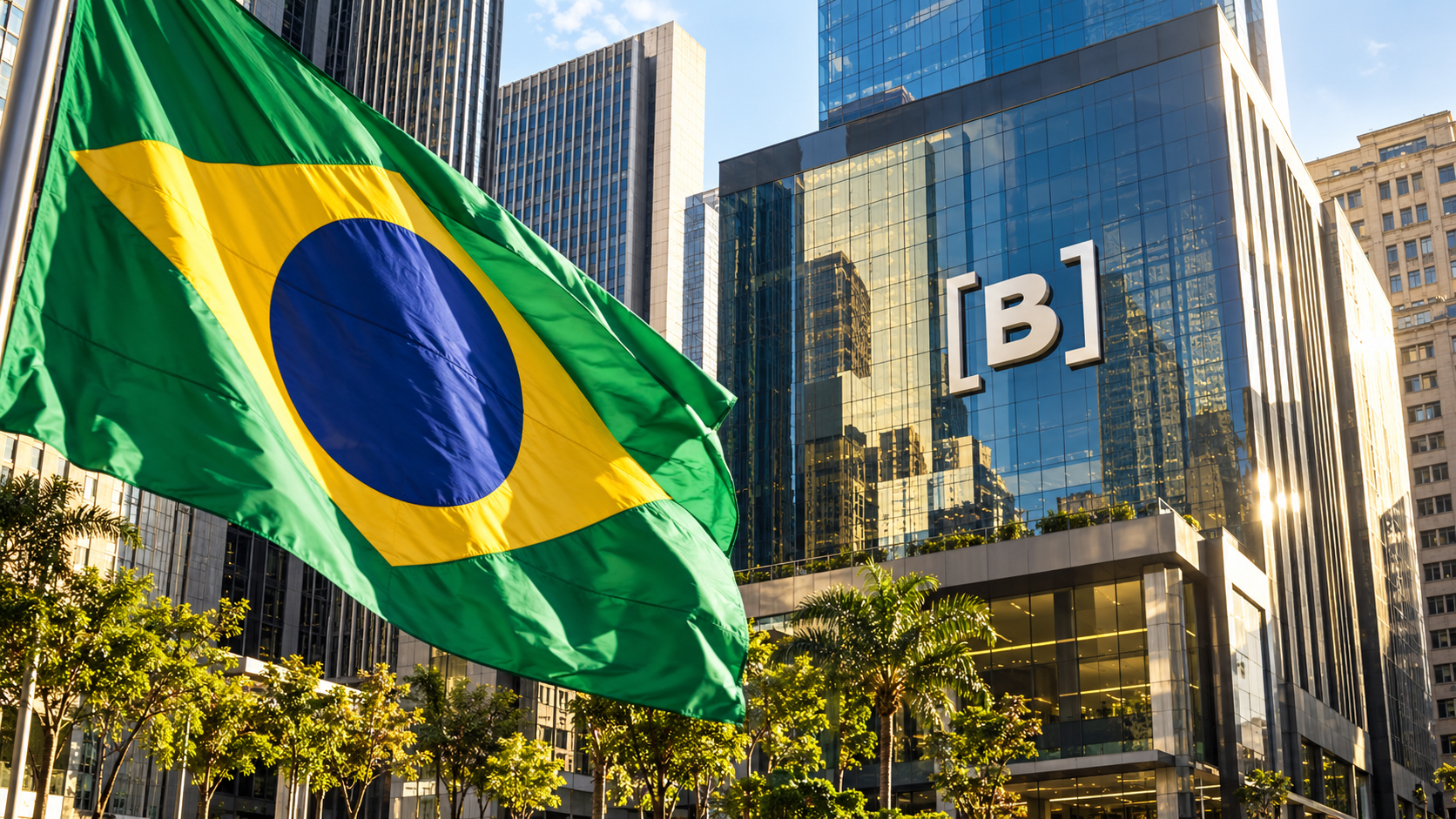
The Ibovespa jumped 7.7% and the real gained 4% after a stronger-than-expected first-round showing by Flávio Bolsonaro. The last time markets cheered a Bolsonaro first round like this, the runoff went the other way.
Brazilian assets staged a sweeping rally on Monday, after Flávio Bolsonaro outperformed polls in the first round of the presidential election and set up an runoff against President Luiz Inácio Lula da Silva.
The Ibovespa closed at a record 206,912, up 7.7%, after touching nearly 210,000 during the session. The real strengthened about 4% against the dollar and traded around 4.99 per dollar early Tuesday. In New York, the iShares MSCI Brazil ETF closed up 12.54% at $42.98.
The ETF's move is a neat sum of its parts. A 7.7% gain in local shares combined with a 4% gain in the currency compounds to roughly 12% for a dollar-based investor, almost exactly what the fund delivered. Foreign investors were not just buying Brazilian companies; they were buying the real at the same time.
The gains were sharpest in financial names. Brokerage XP rose 30.93%. Bradesco gained 18.63%, PagSeguro 21.40%, StoneCo 20.84%, Itaú Unibanco 15.48% and Nu Holdings 13.03%. State oil company Petrobras rose 11.50%. Banks and payments firms are the most direct beneficiaries of lower government borrowing costs and a firmer currency, both of which investors expect under a more fiscally conservative administration. A strategist at BTG Pactual said the market sees Bolsonaro as "more aligned with Brazil's economic and fiscal needs."
Political momentum has continued since the vote. Romeu Zema of the Novo party endorsed Bolsonaro on Monday, and Ronaldo Caiado of the PSD is set to declare support on Tuesday. Prediction markets now put Bolsonaro's chances of winning the presidency at about 84%.
History offers a caution. In 2022, Jair Bolsonaro, Flávio's father, also outperformed first-round polls. The real jumped about 4% and the stock index rose about 5.5% the following day. He went on to lose the runoff to Lula.
This year's rally is larger in equities than the 2022 move, with a similar currency gain, which means more of the outcome is already in the price. With the first-round margin under two percentage points, the asymmetry is clear: a Bolsonaro victory confirms what investors have bought, while a Lula win would leave a record-high market with a lot to give back.
The signal to watch over the next three weeks is the local interest-rate futures curve. Equities can rally on hope, but a sustained fall in long-dated Brazilian rates would show that bond investors also believe in a fiscal shift. If equities hold their gains while rates drift back up, the rally is a bet on an election result rather than a durable change in Brazil's borrowing costs.