The August drop was ten times worse than expected, but a surge in big-ticket contracts the month before and a European Central Bank already worried about demand help explain the calm.
German factory orders fell 10.6% in August from July, the steepest monthly drop since January and far worse than the 1% decline economists expected. Europe's markets shrugged.
The euro rose 0.14% to $1.1239 in early Tuesday trading, Germany's DAX gained 0.45% to 25,429.5 and France's CAC 40 added 0.61%. For a data surprise of this size, the reaction was close to nothing.
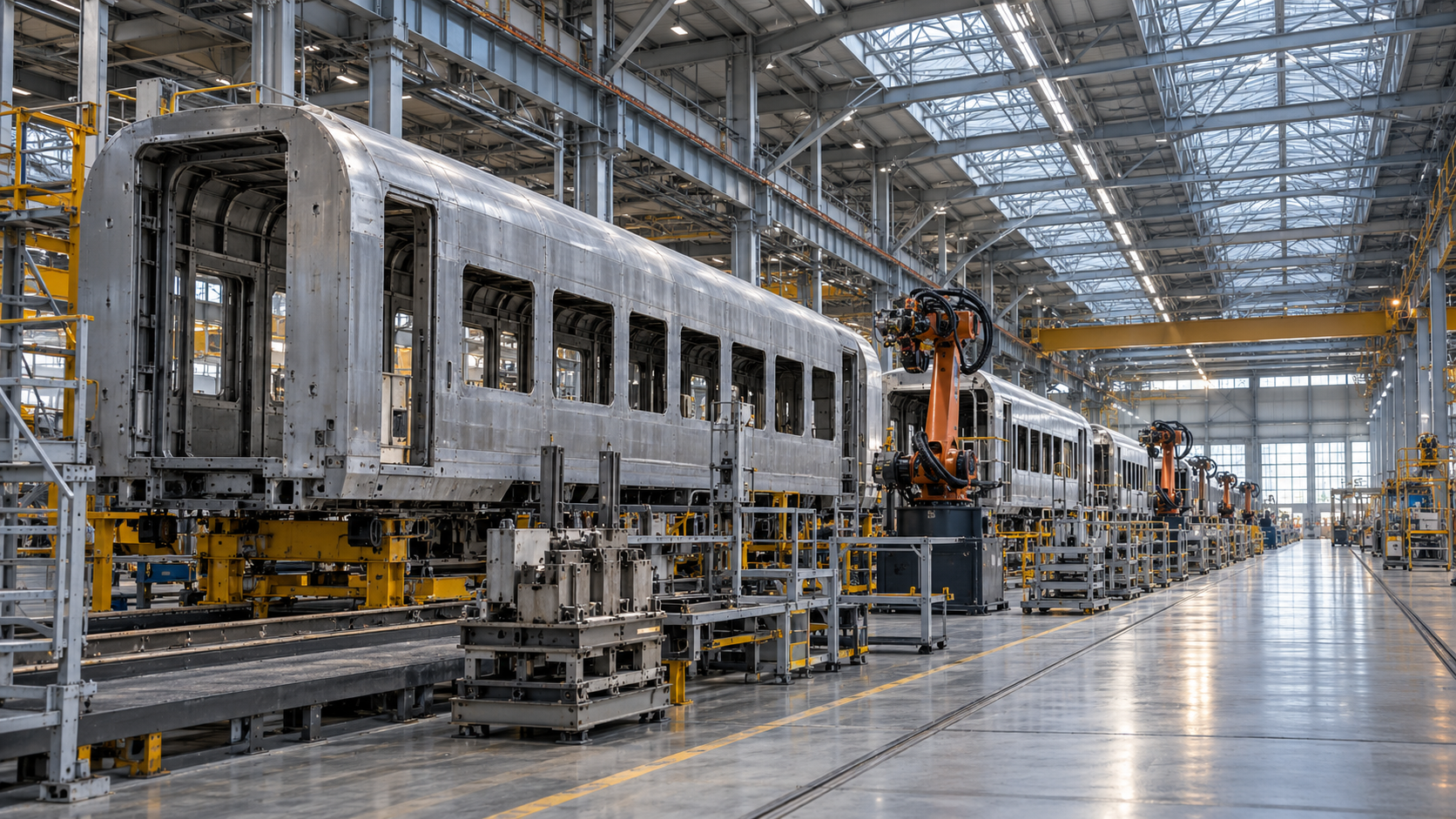
The composition of the drop explains much of the indifference. The decline was driven by a fall in large-scale orders for aircraft, ships, trains and military vehicles, contracts that arrive in lumps and swing monthly figures sharply. July was also revised up to a gain of 3.2%, so August partly reflects payback from a strong prior month.
Run the two months together and the picture is less dramatic but still weak. A 3.2% rise followed by a 10.6% fall leaves orders about 7.7% below their June level. That is not a collapse, but it is a meaningful setback for an industrial economy that was hoping to build momentum heading into winter.
The release also fits a story the European Central Bank has started to tell. In a speech on Monday, chief economist Philip Lane said "demand destruction" from higher energy costs "can limit the required adjustment in the monetary stance," and described the recent jump in long-term yields as a material tightening of financial conditions. "We remain in the 'middle path' for monetary policy," he said.
That framing matters because euro-area inflation stands at 3.8%, with core inflation at 2.5%. On inflation alone, the ECB would have reason to keep raising rates. Lane's argument is that weaker activity and costlier borrowing will do part of the job, and German orders just handed him supporting evidence. Pricing for further ECB hikes has eased.
France offered little offset. French industrial production slipped 0.3% in August, and the country's 10-year borrowing costs stand about 1.47 percentage points above Germany's, with nationwide protests over school policy under way Tuesday. Finance Minister Roland Lescure said there was no need for the central bank to step in.
The key question is whether August is noise or the start of a trend. The key measure is orders excluding large contracts. If core orders hold steady in the coming months, the headline drop will look like a timing story about a few big deals. If they weaken too, Lane's demand destruction is already visible in Germany's factories, and the case for an ECB pause grows stronger before its next meeting.