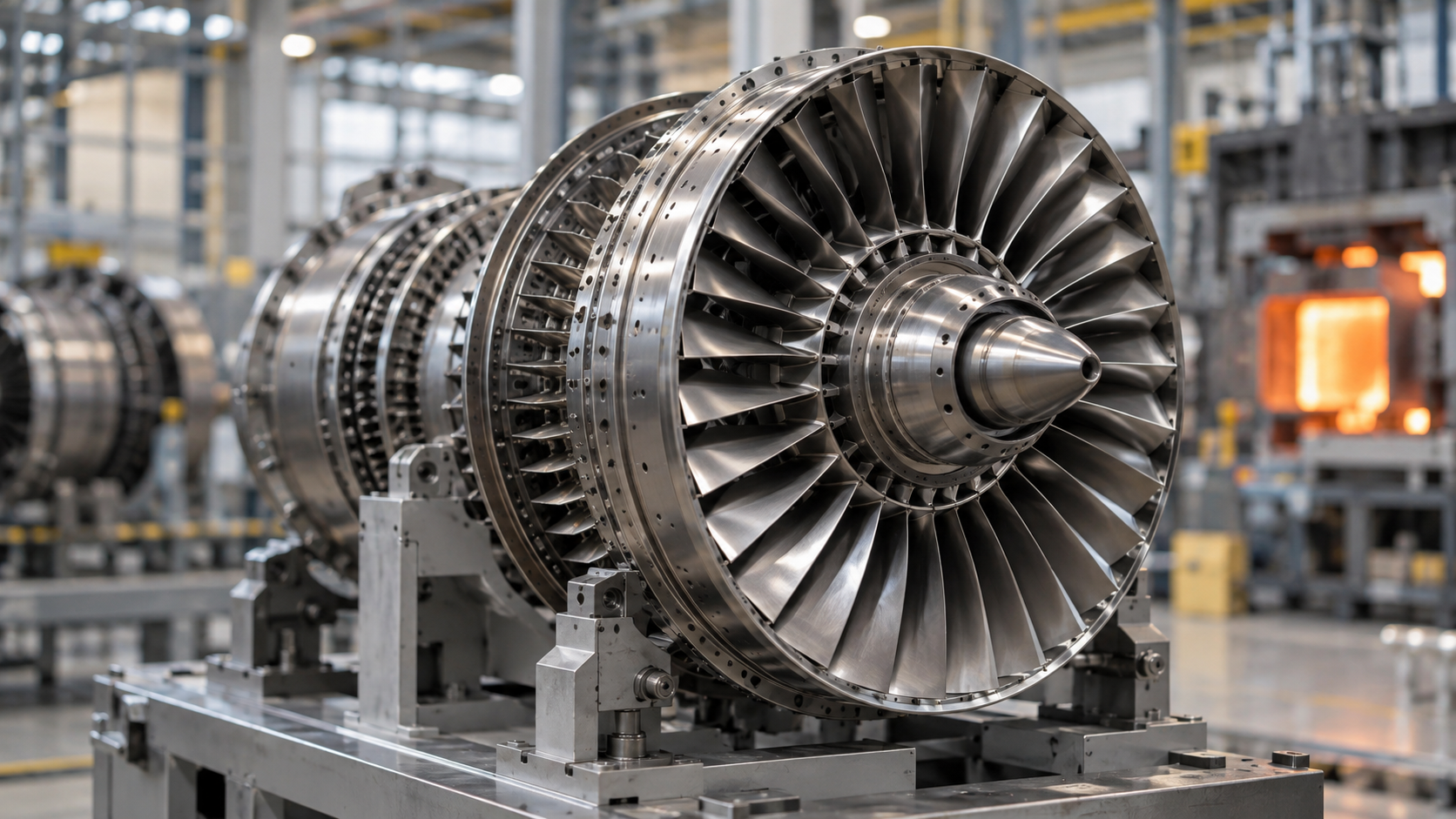
The purchase of Consolidated Precision Products from Warburg Pincus and Berkshire Partners hands one engine maker ownership of capacity its competitors have also been waiting on, and the regulatory runway stretches almost two years.
FINANCIALMARKETS.COM | AFTERNOON EDITION
GE Aerospace has agreed to acquire Consolidated Precision Products Corp. for $11.75 billion, buying the business from Warburg Pincus and Berkshire Partners, the company said in its own announcement Tuesday. GE expects to close the transaction in the second half of 2027, subject to regulatory approvals and customary closing conditions.
The size of the price is not the most interesting thing about the deal. The interesting thing is what CPP is. It is an independent castings supplier in a market with very few of them, and independence is precisely what changes hands here. GE has framed the purchase as a response to an industry-wide shortfall in casting capacity rather than as a move against any single supplier, and that framing is consistent with what the rest of the sector has been saying about lead times. It also means GE is now the owner of scarce capacity in a market where it is one of the largest buyers.
Two readings of that follow, and they point in different directions for investors in the rest of the supply chain. On one, GE is simply buying insurance on its own production ramp in a market where capacity, not price, is the binding constraint. GE's own shares moved barely at all on the announcement, falling about 0.6%, which is roughly what a market would do if it read the deal as a defensive capacity purchase rather than a growth bet.
On the other, an engine maker that owns a castings house has an option its competitors do not. It can direct future casting work internally over time. Nothing in the announcement commits GE to doing that, and nothing rules it out. The independent suppliers that share CPP's customer list traded as though the second reading mattered. Howmet Aerospace, the largest maker of gas-turbine blades in the world by its own description, fell 10.70% the same session.
The closing timeline is the detail most likely to be underweighted. A second-half-2027 close on a deal of this size implies a regulatory review measured in quarters, not weeks, in a sector where the buyer and the target sit on the same value chain. For anything more than a year, the competitive picture the market is pricing today and the competitive picture that actually exists are different things.
What comes next is procedural rather than dramatic. Antitrust review, the terms of any remedies, and whether GE says anything further about how CPP's third-party customer relationships will be handled are the things that will move this story between now and 2027.