An amendment adopted on Oct. 16 would end the tax deferral on converting crypto into euro- or dollar-pegged stablecoins such as USDC and EURC from Jan. 1, 2027. About 100 of the Assembly's 577 members voted, and the budget's revenue section faces an all-or-nothing vote on Oct. 20.
French crypto investors who lock in gains by moving into a regulated stablecoin may soon owe tax on that move. The measure that would make it so passed by a single vote.
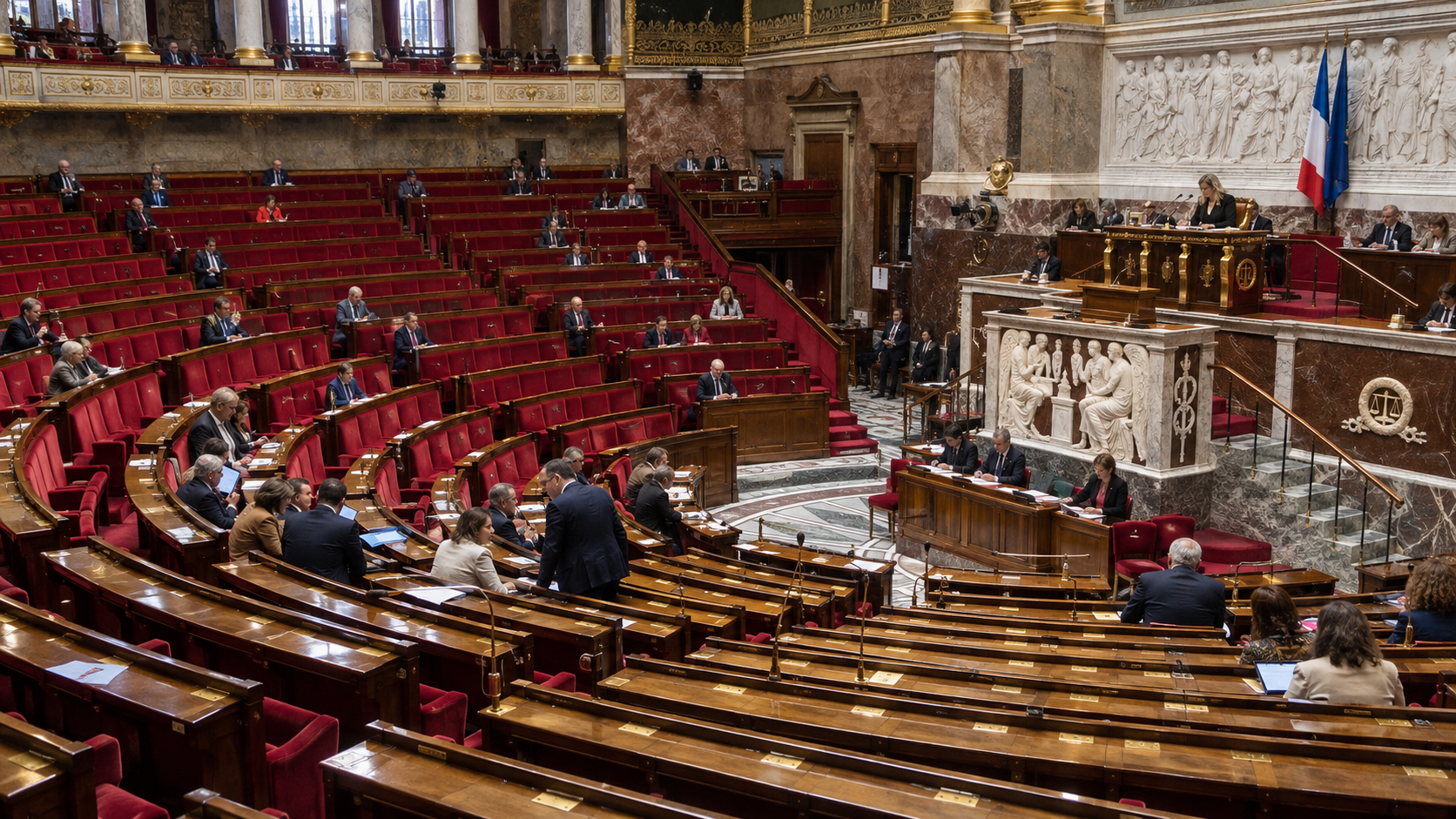
France's National Assembly adopted an amendment to the 2027 budget on Oct. 16 that would treat swaps of crypto into fiat-backed stablecoins as taxable disposals. The vote was 38 to 37, with 25 abstentions. The amendment was filed by Nicolas Sansu of the left-wing GDR group and co-signers.
Under current law, French investors pay tax when they convert crypto into euros but not when they convert it into another crypto asset, and that deferral has extended to stablecoins. The amendment's explanatory note says conversions into fiat-backed stablecoins are currently untaxed because of what it calls, in translation, "a hole in the legislation," and that the United Kingdom and Italy have already legislated in this direction.
What it covers
The amendment targets stablecoins classed as e-money tokens under the EU's Markets in Crypto-Assets rules, which are tokens tied to a single official currency, such as USDC and EURC. It would apply from Jan. 1, 2027, at France's flat rate on investment income, reported at 31.4%. It also sets transitional rules for calculating the cost basis of existing holdings. Its sponsors estimated it would raise about €1.5 billion.
Analysis cited in French crypto media suggests USDT, the largest stablecoin, would fall outside the amendment because it is not authorized as an e-money token under the EU rules.
Why it is fragile
The amendment is not law. On Tuesday, Oct. 20, the Assembly holds a solemn vote on the entire revenue section of the budget; a rejection would end the Assembly's first reading and put the amendment's survival in doubt. If the section passes, the Assembly debates spending from Oct. 27 and votes on the whole bill on Nov. 17. The Senate then sits from Nov. 20 to Dec. 9, and a joint committee follows. The government could also force the budget through using its constitutional override, in which case amendments it does not retain would be dropped.
A margin of one vote in a chamber where fewer than a fifth of members took part offers little protection at any of those stages.
Other crypto measures fared differently. A proposal to let investors carry crypto losses forward for 10 years was rejected on the floor. An exit tax on crypto holdings above €800,000 and a requirement to declare wallets above €100,000 were adopted in committee and await floor votes.
The design problem
If the amendment survives as written, it creates an odd incentive. Swapping crypto into USDC, which complies with EU rules, would trigger tax, while swapping into USDT might not. That would nudge French users toward a stablecoin that European regulators have been pressing exchanges to stop offering. The measure's supporters frame it as closing a loophole; its critics are likely to frame it as pushing activity toward less regulated products.
Market implications
One reading is that the rule will last. It closes a gap the sponsors call unjustified, it follows the British and Italian approach, and taxing gains when they are locked in has appeal across parties at a time of fiscal pressure.
A second reading is that it is unlikely to reach the final law intact. A one-vote margin, a revenue vote on Tuesday, a full-bill vote on Nov. 17, a Senate review and the possibility of a government override all give opponents chances to remove it.
For global markets, the direct effect is small. For French investors and the exchanges that serve them, it would change a common habit of parking gains in stablecoins.
What to watch
The Oct. 20 revenue vote; the Nov. 17 vote on the whole bill; floor votes on the exit tax and wallet declaration; the Senate's treatment of the amendment; and any clarification on whether USDT is covered. A rejection of the revenue section on Tuesday would end the Assembly's first reading and leave the amendment's fate to the Senate.