A private-equity-owned rival agreed to pay A$5.30 a share for the Australian fleet leasing company after an auction, while Brookfield's US$2.53 billion bid for the plumbing products maker cleared its 30-day window with no competing offer. Monday's two deals show how much competition shapes a sponsor's price.
Two Australian take-privates reached milestones on Monday. They show what a real auction is worth.
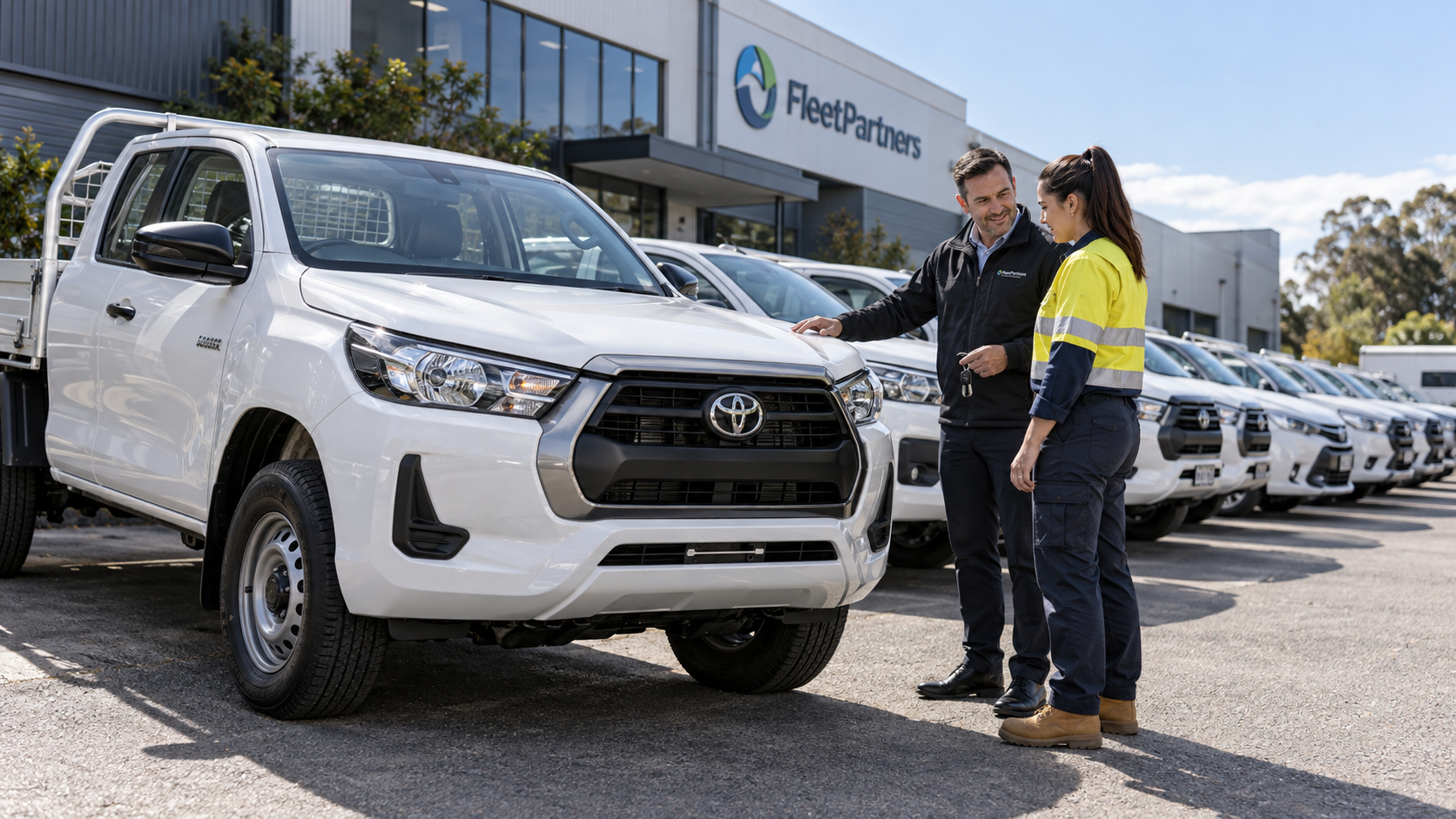
FleetPartners Group signed a binding agreement to be acquired by SG Fleet, a rival owned by private equity firm Pacific Equity Partners, for A$5.30 a share in cash. The price values FleetPartners' equity at about A$1.13 billion and is 87.3% above its undisturbed price of A$2.83 on July 31. It is also A$0.65 a share more than the proposals on the table in mid-September.
The deal followed a four-way contest. SG Fleet competed against Element Fleet Management, which withdrew in September, ORIX and a consortium led by Sumitomo. FleetPartners shares closed at A$5.11, below the A$5.30 offer, which includes up to A$0.26 a share of dividends.
A go-shop with no shoppers
The same day, Reliance Worldwide said its go-shop period had ended without a rival proposal. Brookfield's private equity arm agreed to buy the plumbing products maker for US$3.38 a share, about US$2.53 billion in equity. A go-shop allows a target to seek better offers for a set period after signing. With none received, a no-shop clause is now in force and the board reaffirmed its recommendation of Brookfield's price.
What competition did
The difference in outcomes is striking. FleetPartners shareholders got almost double their undisturbed price after bidders pushed up their offers. Reliance Worldwide's board opened the door to rivals and no one came through it.
A go-shop that attracts no bids can mean two things. The original price may have been full, leaving no room for another buyer. Or the market for that kind of asset may be thin, with few buyers able to compete. Fleet leasing, with contracted cash flows and multiple strategic and financial buyers, appears to have deep demand. A building products maker exposed to housing cycles may not.
A crowded Monday
Both milestones came on the same day that EQT signed a binding deal to take waste company Cleanaway private for an enterprise value of about A$9.3 billion, and that Japan's Dai-ichi Life made a non-binding offer for the rest of annuities provider Challenger. Private buyers are finding listed Australian businesses with steady cash flows attractive, even as completed deal activity has dropped. Completed mid-market Australian transactions, those up to A$5 billion, fell 43% in the first quarter of the 2027 financial year from a year earlier, and their average value fell 27%, according to accounting firm HLB Mann Judd.
Market implications
One reading is that sponsors are paying up where assets are scarce. FleetPartners shows that a well-run auction can extract a large premium, and that private-equity-backed platforms will pay for consolidation opportunities.
A second reading is that the market is selective. The absence of rival bids for Reliance Worldwide suggests buyers are concentrating on the most predictable businesses, and shareholders in more cyclical companies should not assume competition will lift their price.
What to watch
Competition regulators' view of SG Fleet's purchase of a direct rival; independent expert reports and shareholder vote dates for both deals; and further approaches to listed Australian companies. A competition challenge to the FleetPartners deal would test how much of its premium came from combining two of the largest players.