The Nvidia-backed data-center developer withdrew its Australian IPO and will seek private capital instead. Supplier and shareholder Maas Group fell another 6.7% after a trading halt.
Firmus Grid's planned Australian listing ended on Friday morning in Sydney, a day after its order book closed.
The company withdrew its application to list on the Australian Securities Exchange. "Having considered recent market volatility and prevailing market conditions, the board determined that the terms on which the offer could proceed would not appropriately reflect the strength of the company's business and long-term growth outlook," the company said. It added that it "will now pursue capital from the private markets and consider alternative public and private market options."
The gap between the two marks
Firmus had marketed its shares at A$11 each, aiming to raise about $5 billion at an equity value of about $30.6 billion. In August, a $2 billion private round backed by investors including Blackstone, Coatue, Nvidia and Jane Street valued the company at more than $10.5 billion after the investment.
The listing price was therefore close to three times the August valuation. The board did not say what price was achievable, and no new valuation has been disclosed. The board's statement does not say whether a private round would price above or below the August mark.
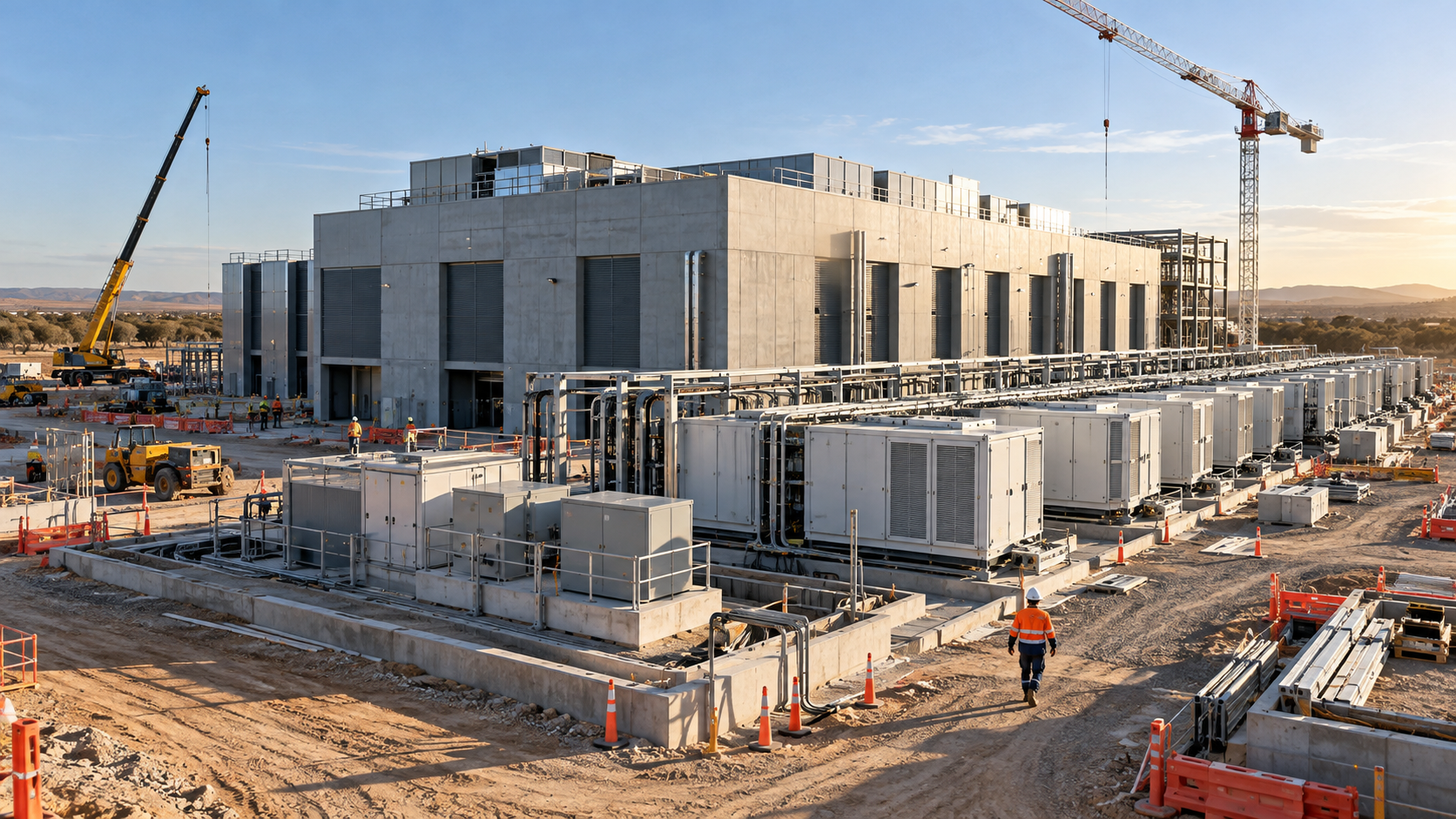
Firmus builds and operates what it calls AI factories, data centers designed for artificial-intelligence computing. OpenAI is an anchor customer at two planned facilities in Malaysia.
Maas Group
Maas Group, an Australian industrial company that is both a shareholder and a major supplier, set out its exposure on Friday. Maas owns 3.2% of Firmus. In a filing to the exchange on Friday, it said it had acquired its shares this year at an average cost of about A$188 each, or about A$3.76 after Firmus' proposed 50-for-1 share split, compared with the A$11 offer price.
Its subsidiary JLE Group has received work orders from Firmus totaling about A$1.1 billion across its 2026 and 2027 fiscal years, for modular power units and electrical work. Maas said it has received A$373 million in payments, about a third of the total, and expects the orders to be completed by the end of 2027. It said the contracts remain in place.
Maas shares fell 22.4% on Thursday. After a trading halt on Friday, they resumed and closed at A$4.63, down a further 6.7%, after touching A$4.43.
The wider market
The withdrawal came the same day a report questioned OpenAI's revenue run rate and chip stocks fell more than 3% in New York. It also came the same week that Waymo raised $5 billion from private lenders, a different route to funding AI-era growth without a public listing.
Two interpretations
One reading is that this is a pricing dispute, not a funding problem. The board chose not to accept a lower public price, contracts with suppliers continue, the August investors are deep-pocketed, and private capital remains available for AI infrastructure.
A second reading is that public investors set a ceiling the private market will have to respect. A listing at about three times the last private mark could not clear, and any new round below the IPO price would reset what early backers and suppliers can claim their holdings are worth.
The private raise
The size, price and investors in Firmus' next funding round will set a new mark for the company and for Maas' stake. Further payments against JLE's work orders, which Maas reports to the exchange, will show whether construction continues at the planned pace.