A hotter-than-expected core inflation print flipped the year's dominant rate narrative in four days, and event contracts and futures now agree on the direction even as they disagree on the odds.
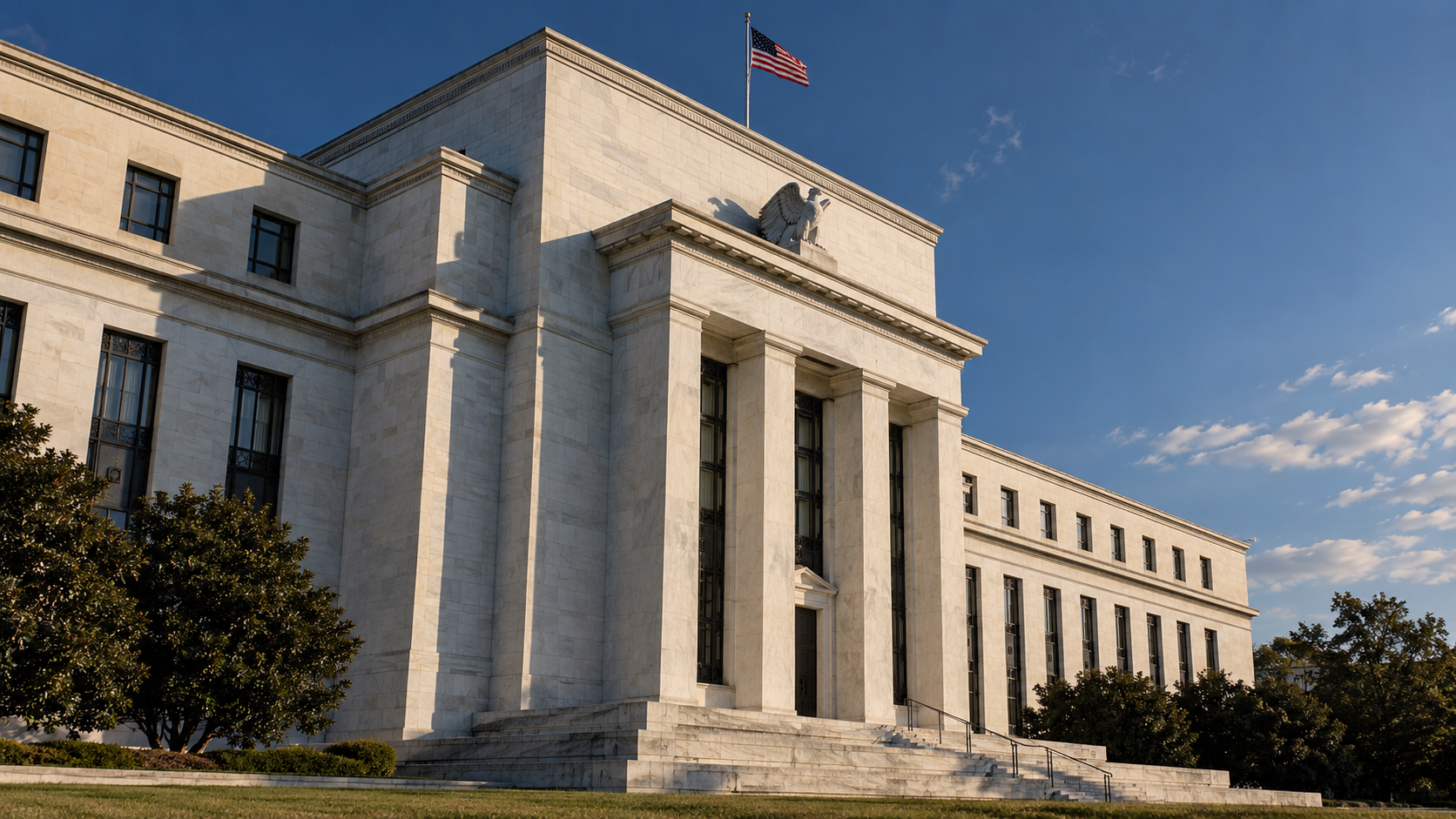
The Federal Open Market Committee meets Tuesday and Wednesday, and the market is not positioned for the outcome it spent most of this year expecting.
Pricing across event-contract venues and rate futures now points to a 25 basis point increase. Polymarket's contract on the decision showed 79% for a hike against 21% for a hold, on total volume of roughly $146 million. An aggregated reading across six venues showed 79.4% for a hike and 20.7% for a hold, with individual platforms spanning 75.5% to 80%. Traditional fed funds futures readings quoted through the week have run higher still, in the mid-80s to about 90%.
None of these are objective probabilities. They are prices. What they agree on is direction, and the direction is up.
What changed
The proximate cause is the August consumer price index, released . Headline inflation came in at 3.4% year over year, unchanged, and 0.4% month over month. Core inflation fell to 2.4% year over year from 2.5%. The number that moved the market was core on a monthly basis: 0.3%, against 0.2% expected.
That is a small miss in absolute terms and a large one in implication, because it argues the recent improvement in the annual core figure is not carrying into the current run rate. Hike-implied odds that sat near 70% on Thursday were near 90% by Friday afternoon.
Goldman Sachs, which had been forecasting no change, reversed on and now calls for a 25 basis point increase, citing roughly 87% futures-implied odds after the CPI release.
The oil complication
The committee is deciding into a supply shock. Brent is above $107 and diesel set a record on Friday at $6.05 a gallon. An energy-driven price increase is the textbook case a central bank is supposed to look through, because it is a relative price change rather than a demand impulse. The difficulty is that it is landing on top of a core print that already surprised to the upside, which makes looking through it a harder argument to make in a statement.
The dollar has moved accordingly. The dollar index traded at 99.46, up 0.37%, in Monday's European session.
What Wednesday actually decides
The rate itself is now the less informative part of the release. If a hike is in the price at 80% or better, the market's positioning is already set. What is not priced is the projection material and the language on what comes next, particularly whether the committee treats August's core reading as noise inside a disinflation trend or as evidence the trend has stopped. That is the part of Wednesday that has room to surprise.