Investors in its fourth flagship fund can cash out in full, and the manager is rolling its own proceeds into the new vehicle. Large secondary buyers anchored the deal.
Private Markets · FinancialMarkets.com · · Tickers: BPT.L, GCMG, STEP
Energy Capital Partners found a way to give investors in an older fund their money back without selling the asset to someone else.
The energy and infrastructure investor, part of London-listed Bridgepoint Group, said Monday it closed a single-asset continuation vehicle with $834 million of capital commitments for Next Wave Energy Partners. GCM Grosvenor, Phoenix Insurance, Ardian, StepStone and North Hudson Resource Partners anchored the vehicle, alongside new and returning limited partners.
How the structure works
A continuation vehicle lets a private equity firm move an asset from an older fund into a new one it also manages. Investors in the old fund can take cash or roll their stake forward. Here, investors in ECP's fourth flagship fund, ECP IV, have the opportunity to fully monetize their stake. ECP itself will reinvest its proceeds into the new vehicle.
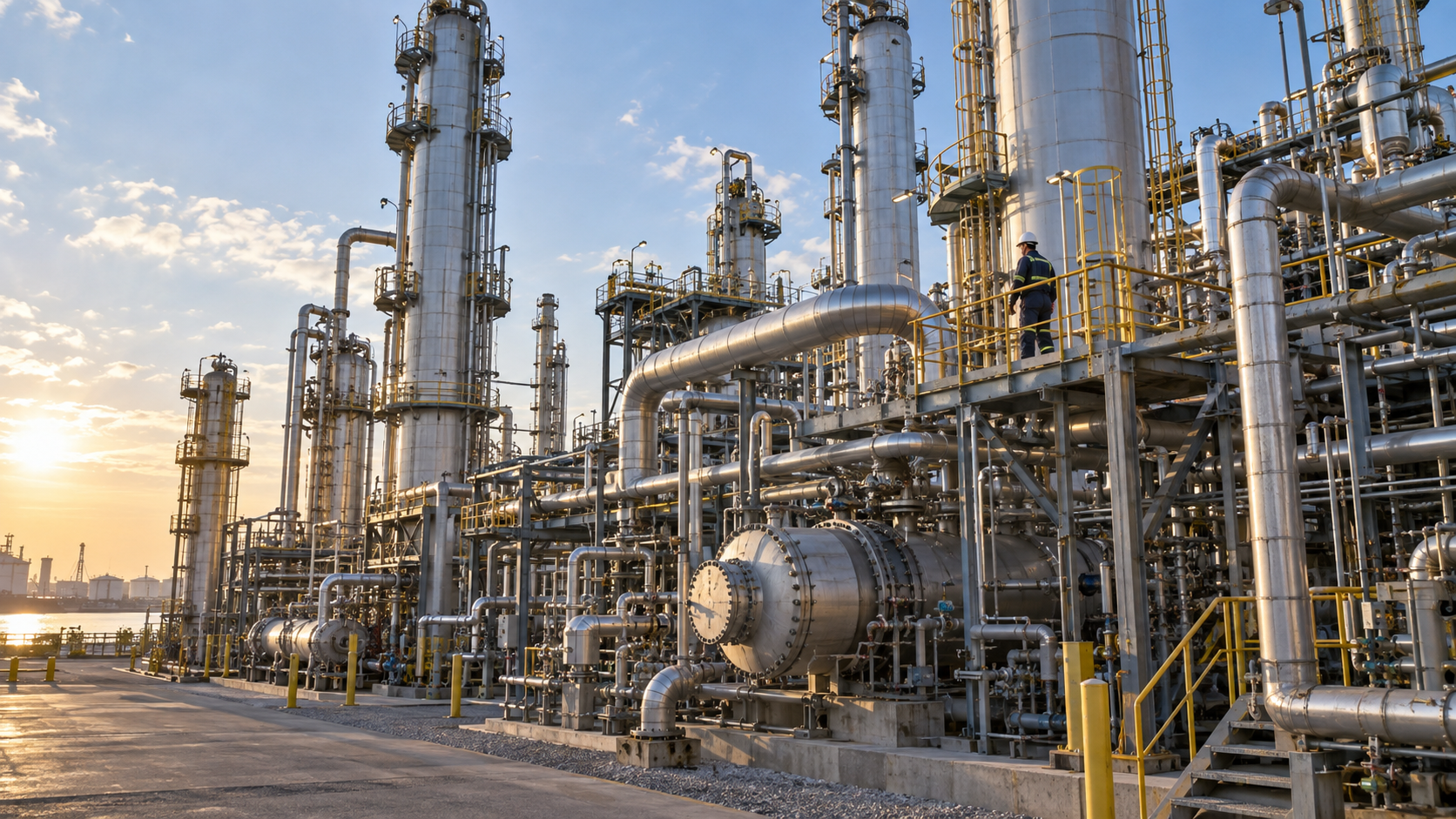
The asset is a stand-alone alkylation complex in Pasadena, Texas, that uses feedstocks derived from natural gas liquids. It began commercial operations in early 2024 and produces about 40,000 barrels a day under long-term fixed-margin contracts, according to the company.
The track record
ECP pointed to its history with the structure. This is its third continuation vehicle. The first, for Terra-Gen, closed in April 2021 and was exited in October 2024. The second, for Calpine, closed in June 2022 and was exited in January 2026.
That record answers one concern buyers of continuation vehicles often raise, which is whether the manager will ever sell the asset it chose to keep. ECP has now completed the full cycle twice, and the dates show holding periods of roughly three and a half years each.
What the $834 million is
The figure is the vehicle's capital commitments, not the price paid for the asset or a valuation of Next Wave. The price, and how it compares with the asset's last carrying value, is the core of any continuation deal, because the manager sits on both sides: it sells from one fund it runs and buys for another. Investors in the old fund want the highest price. Investors in the new vehicle want the lowest. The presence of large secondary buyers such as Ardian and StepStone, and an insurer, as anchors is the main outside check on how the price was set.
Why the structure is in demand
Continuation vehicles give older funds a way to return cash to investors without selling to another buyer or listing the asset. For an energy asset with contracted margins, the manager is betting the next owner should be itself.
Moelis advised ECP on the transaction, and Latham & Watkins served as fund-formation counsel.
What comes next
The test is the exit. Next Wave's eventual sale, and whether ECP discloses returns as it did dates for Terra-Gen and Calpine, will show whether the third vehicle follows the first two.