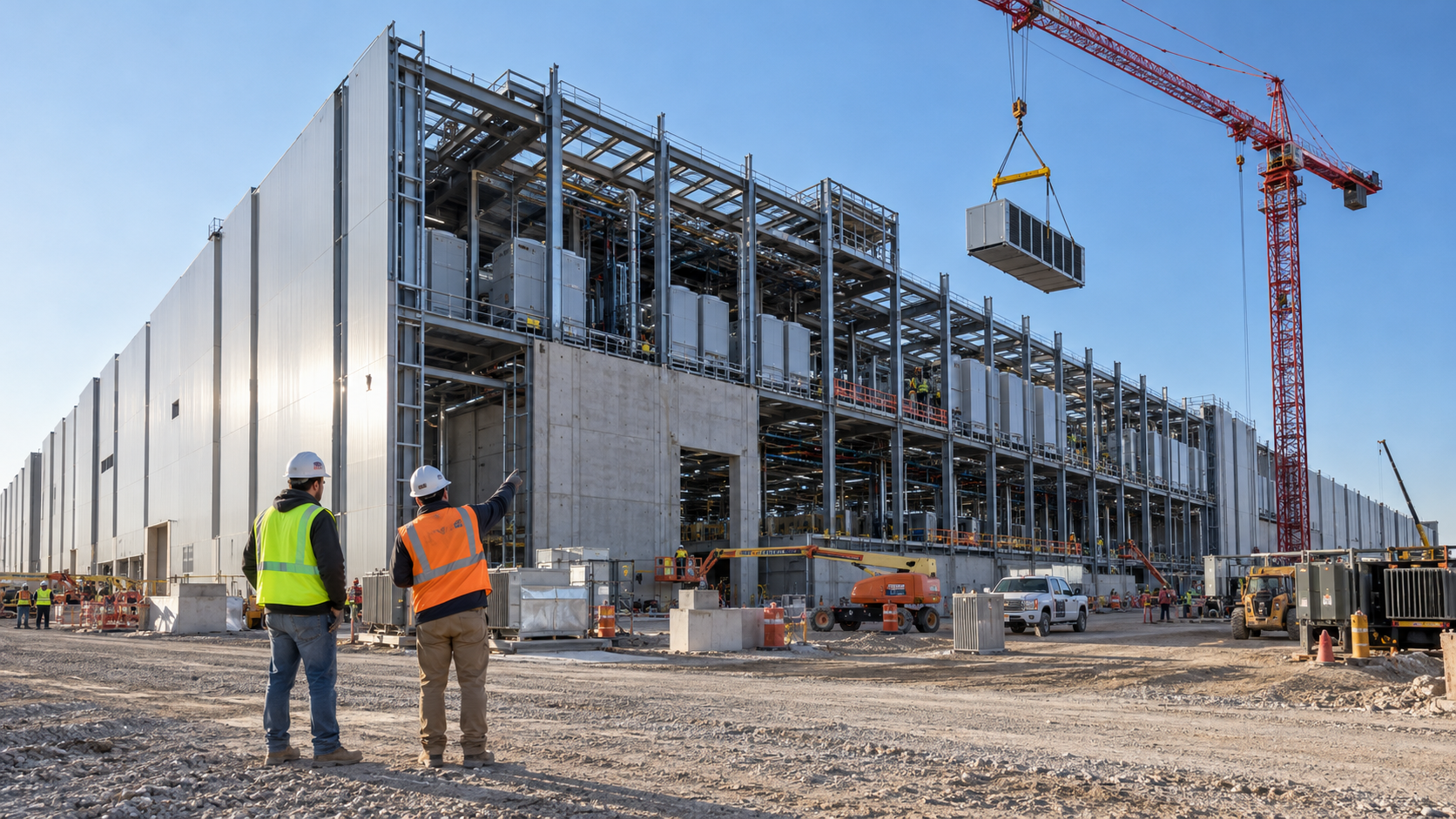
Two central bankers had just named artificial-intelligence spending as a factor in the rates outlook. On the day doubts about AI revenue hit tech shares, long bonds had their strongest session in weeks.
For most of this year, the AI trade and the bond market have been pulling in the same direction: heavy spending on data centers has meant heavy borrowing, strong growth and high yields. On Thursday they split.
The PHLX Semiconductor Index fell 3.4% and the Nasdaq Composite about 1.3% after a report on OpenAI's revenue raised questions about the payoff from AI spending. Long-term Treasuries rallied. According to Treasury data, the 30-year yield ended Thursday at 5.60%, down from 5.67% a day earlier, the 20-year fell to 5.64% from 5.71%, and the 10-year closed at 5.22%, down 6 basis points. The two-year moved only 2 basis points, to 4.75%.
Strategists in JPMorgan's market-intelligence group said in a note on Friday that the AI trade and the rates trade are becoming mutually exclusive. They counted Thursday as the long end's largest one-day rally in more than six weeks.
What the central bankers said
The split came on a day when two central bankers had tied the two markets together explicitly.
St. Louis Fed President Alberto Musalem listed the technology investment boom alongside federal borrowing as forces holding yields up. Bank of England Governor Andrew Bailey went further in a speech in Istanbul. "The rapid expansion of financing connected with artificial intelligence has created new exposures," he said. "If earnings expectations or confidence in the pace of AI adoption were sharply revised, the consequences could spread through equity, credit and sovereign markets."
The mechanism
The link runs through capital demand. Data-center construction is financed in large part with corporate bonds, private credit and bank loans, and that borrowing draws on the same pool of savings that funds governments. Musalem's account, in which yields rise because investors expect higher real rates in an economy where borrowers compete hard for capital, fits that picture.
Charu Chanana, chief investment strategist at Saxo, framed it from the equity side. "With long-term yields back around multi-decade highs, investors no longer have the luxury of valuing AI growth in a low-cost-of-capital world," she said.
Other factors in the move
Thursday's bond rally had other contributors. The Treasury sold $22 billion of 30-year bonds at 1 p.m. to solid demand, and President Trump had posted at 12:17 p.m. that the U.S. would not strike Iran before the Nov 3, 2026 elections. Oil rose about 4% on the day anyway. The trading does not separate the three effects.
Early Friday the 10-year traded near 5.24%, little changed, while Nasdaq-100 futures rose about 0.9%. Swiss private bank UBP raised its fair-value range for the 10-year to 4.75% to 5.25% in its October outlook and said it does not expect Fed rate cuts before the second half of 2027.
The case on each side
One reading is that doubts about AI monetization could ease one of the forces holding real yields up. If companies slow their spending plans, there is less corporate borrowing to absorb and less pressure on capital. That would make bonds a natural beneficiary when AI stocks fall.
A second reading is that the spending is already contracted and financed, so a question about one company's revenue changes equity valuations but not the volume of debt coming to market in the near term. On that view, Thursday's bond rally owed more to the auction and to oil than to AI.
The next markers
Third-quarter earnings season starts next week, and any change in the capital-spending plans of the largest cloud companies would be the most direct test of the first reading. New corporate bond issuance tied to AI infrastructure, and the September consumer price index on Oct 14, 2026, will show which force is setting long yields.