Producer inflation beat the 4.5% forecast as mining and fuel costs surged, while consumer prices came in below estimates. The 6.6-point gap between factory-gate prices for producer goods and for consumer goods shows where the energy shock is landing.
China's September price data split in two. Costs at the top of the supply chain accelerated sharply. Prices at the checkout barely moved.
The producer price index rose 5.0% from a year earlier, up from 3.8% in August and above the roughly 4.5% economists had expected, the National Bureau of Statistics said Wednesday. It was the fastest pace since June 2022. On the month, producer prices climbed 1.2%, the largest increase since April.
Consumer prices rose 0.9% from a year earlier, up from 0.8% but short of the 1.0% forecast. They gained 0.2% on the month. Core inflation, which excludes food and energy, held at 1.0%.
Where the pressure sits
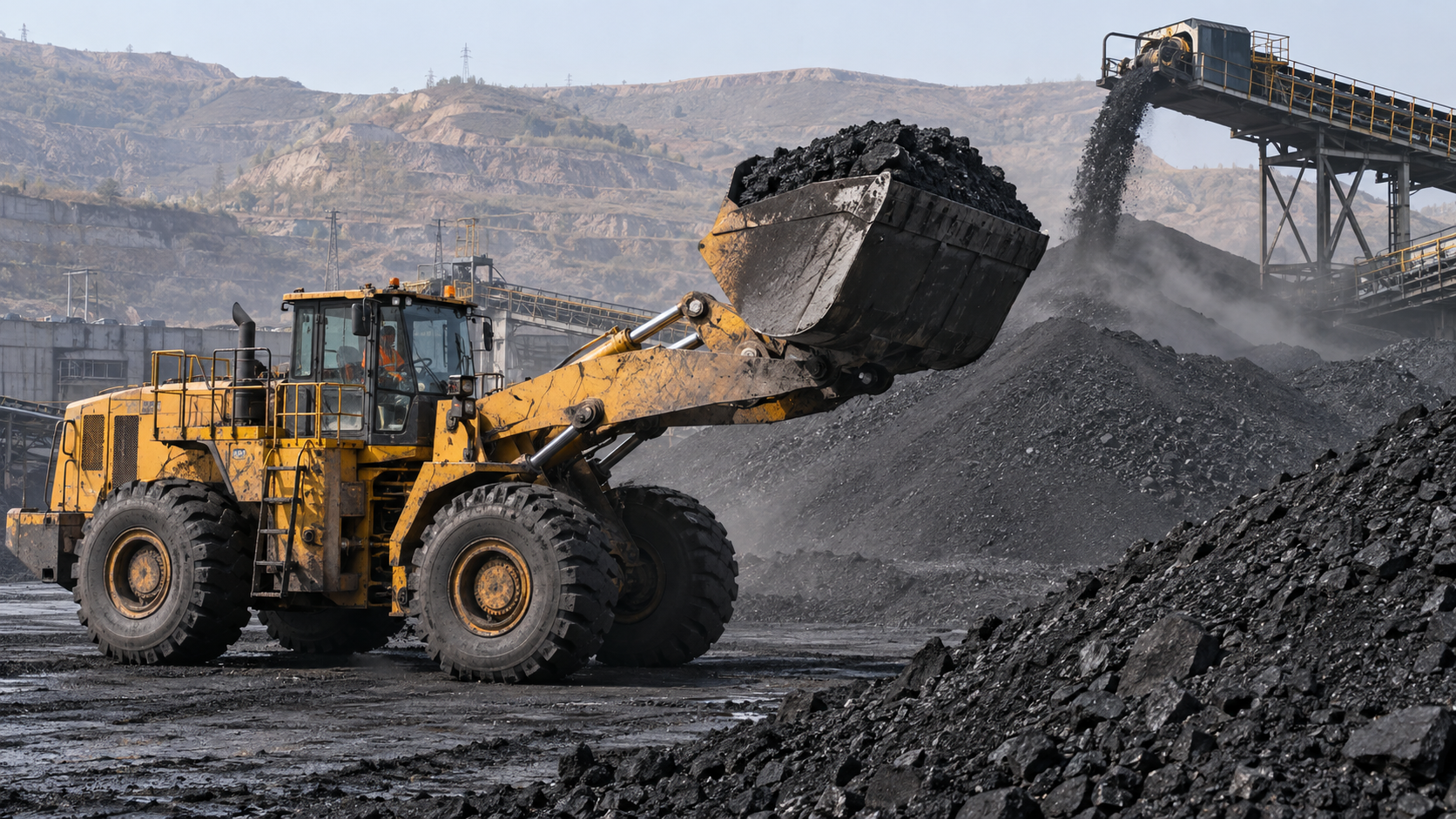
The producer data show the increase coming from raw materials. Prices of production goods rose 6.5%, led by mining at 25.4% and raw materials at 9.4%. Coal mining prices jumped 35.3%, oil and gas extraction 24.5% and nonferrous metal smelting 21.4%. Processing prices rose a more modest 3.4%.
Consumer goods prices at the factory gate fell 0.1%. That is a gap of 6.6 percentage points between producer goods and consumer goods, which suggests higher input costs are not yet being passed through to consumer goods.
Fuel at the pump, not on the plate
On the consumer side, energy did the work. Gasoline prices rose 16.6% and added about 0.47 percentage point to annual inflation, according to Dong Lijuan, chief statistician of the bureau's urban division. Food prices fell 1.7% and subtracted about 0.29 point. Strip out the gasoline contribution and consumer inflation would have been about 0.4%.
The backdrop is a slower economy. Second-quarter growth of 4.3% missed expectations and was the weakest in more than three years. Economists at ING said inflation remains comfortably below the government's 2% target and is not standing in the way of the targeted easing the central bank has rolled out in recent weeks.
What it means outside China
China is the world's largest exporter of manufactured goods, so its factory prices matter for import costs elsewhere. A 5% rise in producer prices, with industrial materials leading, raises the cost base for goods that eventually reach U.S. and European buyers. Whether that turns into higher export prices depends on whether manufacturers can pass costs on in a market where domestic demand is weak and competition among producers is intense.
Market implications
One reading is that this is an energy pass-through China will absorb. Consumer prices are barely rising, core inflation is flat, consumer-goods prices at the factory gate are falling, and policy is still easing.
A second reading is that China could start exporting inflation. Producer prices are rising at their fastest pace in more than four years and accelerated sharply in a single month, which raises the input costs embedded in the country's exports just as the Fed weighs whether goods inflation will fade.
What to watch
U.S. import prices on Friday will give a first read on whether higher Chinese costs are reaching American buyers. October's Chinese data, and any further easing steps from Beijing, will show whether factories begin passing costs through.