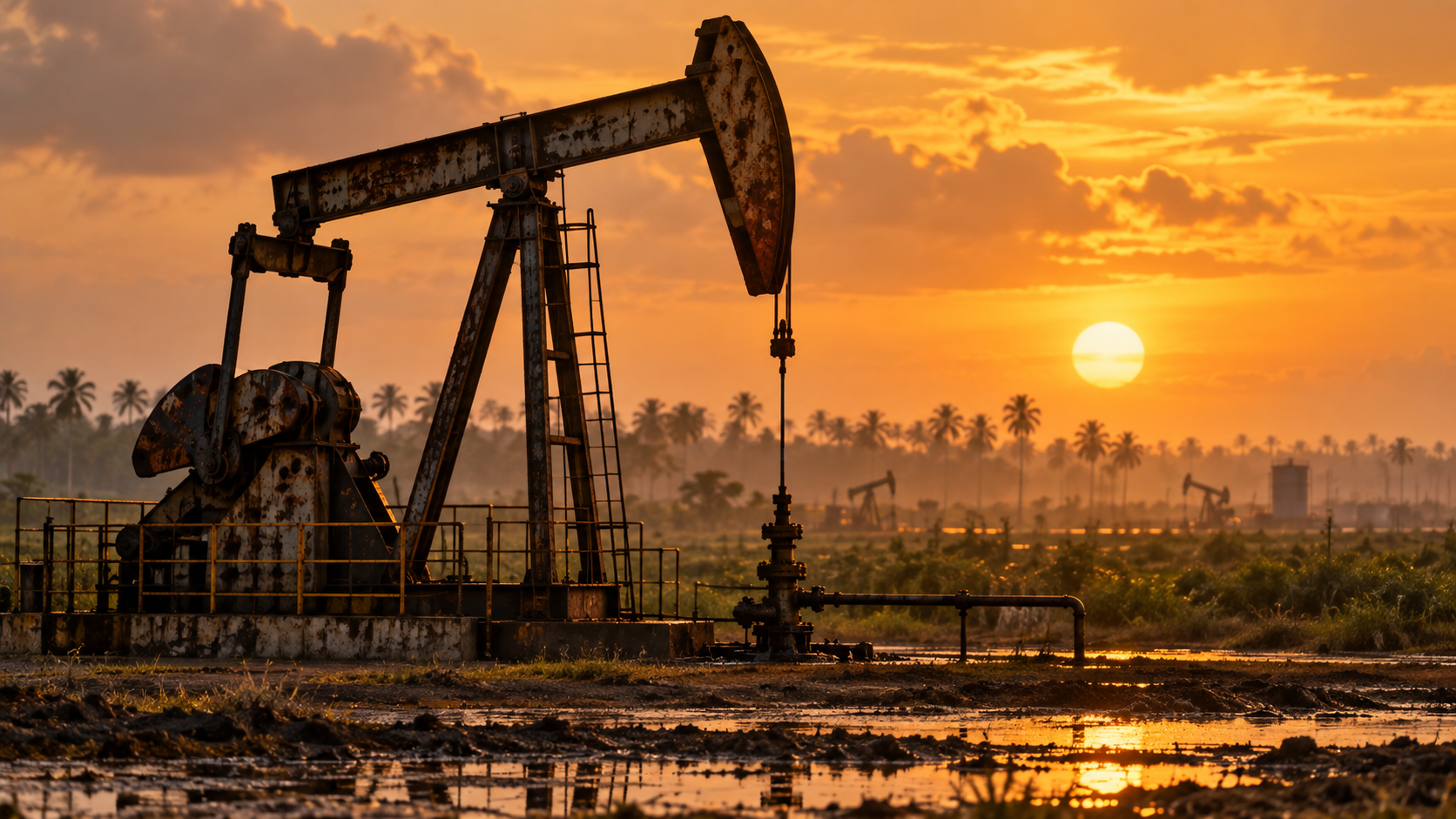
The company plans to more than double its Venezuelan oil output by 2031. The US-Venezuela agreement behind that plan wasn't built to outlast a single presidential term.
Chevron plans to invest $7 billion over five years to raise Venezuelan oil production from roughly 280,000 barrels a day to 600,000 barrels a day by 2031, expanding into two additional fields in the Orinoco Belt. The plan follows a broader US-Venezuela agreement, under which the US is reported to gain access to 65 billion barrels of Venezuelan crude.
The risks sit in the gap between the investment horizon and the political one. The current US administration's term runs through January 2029, roughly two and a half years before Chevron's 2031 target. Whether Venezuelan President Delcy Rodríguez is genuinely committed to the arrangement, rather than managing a delay past a change in US leadership, is an open question that remains unresolved. Industry insiders have separately warned that the targeted fields could take years longer to develop than the plan assumes. And opposition leader María Corina Machado, who has been barred from office despite what is described as a 2023 election win and has criticized the agreement, could renegotiate its terms unfavorably to oil companies if she ultimately assumes power.
Chevron shares traded at $209.80 with a 3.36% dividend yield as of the most recent reporting, with no stock-specific reaction to the expansion announcement identified.
None of these risks make the plan unworkable. They do mean that Chevron is underwriting a six-year production build on a political foundation that has already changed once this decade and could change again before the target date arrives.