Shares of two major California utilities remain sharply lower after a wildfire liability bill rattled investors, and no rating agency or regulator has yet weighed in on the fallout.
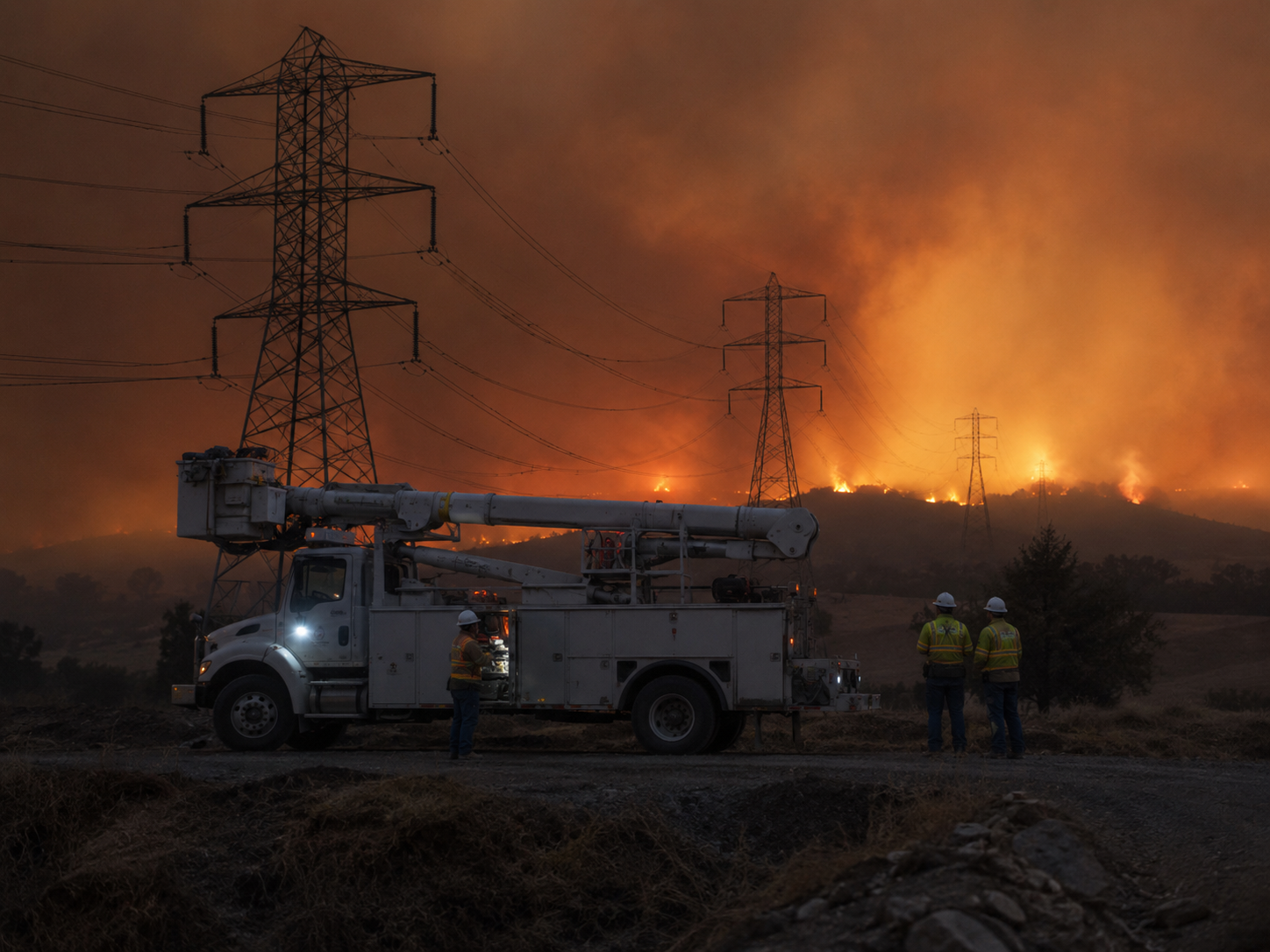
Shares of Edison International and PG&E remain sharply depressed following a selloff tied to a California wildfire liability bill, with Edison International down roughly 23% and PG&E down between 18% and 20% from levels before the news broke. The decline reflects investor concern that the legislation could materially expand the utilities' financial exposure to wildfire-related damages, a risk that has weighed on California utility valuations for years following a series of catastrophic fires linked to utility equipment.
What stands out about this selloff is what has not yet happened around it. No credit rating agency, including Moody's, S&P or Fitch, has issued a formal rating action in response to the bill. No statement has emerged from the California Public Utilities Commission addressing the legislation's implications for the companies it regulates. And no clear signal has appeared in municipal bond yields tied to California utility-adjacent financing that would confirm the market has fully priced the change into the state's broader public finance picture.
The absence of those signals leaves the story in an unusual position: a sharp, confirmed equity market reaction sitting well ahead of any confirmation from the regulatory or credit-rating apparatus that typically follows a development of this magnitude for a heavily regulated utility sector. That gap could close quickly if either utility's own management addresses the bill directly in upcoming investor communications, or it could persist for weeks if the legislation's practical implications remain genuinely uncertain even to the companies most directly affected.
For a sector where wildfire liability has already reshaped capital structures, insurance costs and credit profiles across the state's largest utilities, a new legislative development landing squarely on top of years of accumulated risk is the kind of catalyst investors are unlikely to look past, even without a rating agency or regulator yet on record. Both stocks will be watched closely as U.S. equity markets open for confirmation of whether the initial selloff extends, stabilizes or reverses.