Its lung-fibrosis drug met its main goal at the lower of two doses, while the higher dose fell short of statistical significance. The company gave no effect sizes, and a smaller developer working on the same drug target lost about a third of its value.
Bristol Myers Squibb opened the week with two positive late-stage trial results, and its shares spent the rest of the morning reversing the gain they produced.
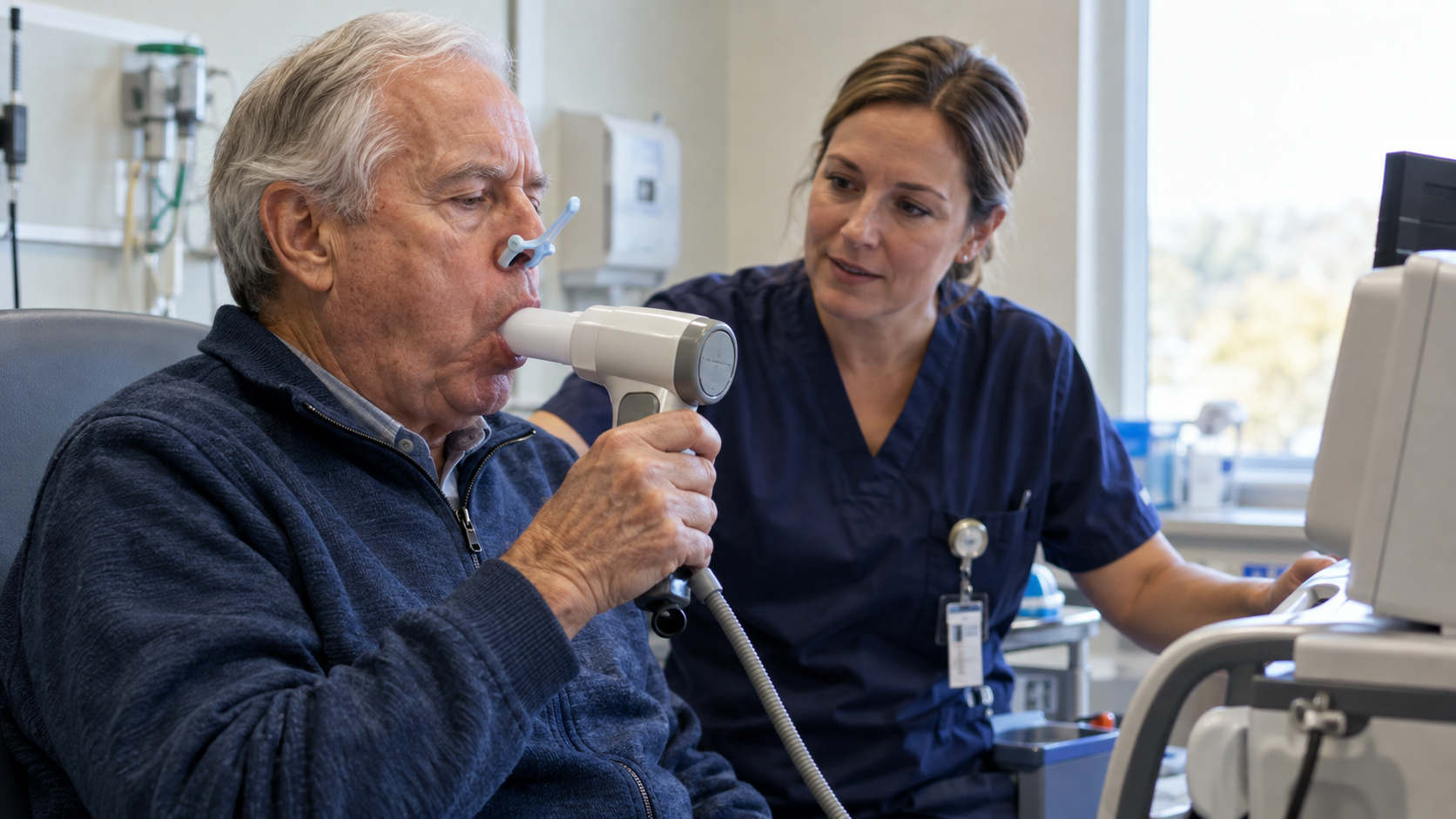
At about 6:50 a.m. Eastern, the company said its Phase 3 ALOFT-IPF trial of admilparant, an oral drug for idiopathic pulmonary fibrosis, met its primary endpoint at the 60 mg dose. At 120 mg, the drug "slowed the decline of FVC but was not statistically significant," the company said, referring to forced vital capacity, a measure of lung function.
Five minutes later, Bristol said its ACTION-1 trial of RYZ101, a radiopharmaceutical for gastroenteropancreatic neuroendocrine tumors, met its primary endpoint of progression-free survival at a planned interim analysis.
The trading
The shares rose as high as $63.56 before the market opened, about 7.5% above Friday's close of $59.12. They opened at $60.11 and were trading near $56.98 at about 1:40 p.m., down about 3.6%. The health-care sector was up about 0.3%, and large drugmakers with no news, including Pfizer, Merck and Eli Lilly, were roughly flat.
At about 2.04 billion shares outstanding, the decline from Friday's close equals roughly $4.4 billion in market value.
The fibrosis trial
ALOFT-IPF enrolled about 1,255 adults and compared both doses with placebo over at least 52 weeks. Bristol said admilparant was well tolerated at both doses and that discontinuations due to adverse events were "low and similar to placebo." It said it plans to discuss regulatory submissions with health authorities and will present detailed results at a future medical meeting.
The release did not give the size of the improvement in lung function at either dose or any p-values. In an earlier Phase 2 study, 26 weeks of the 60 mg dose produced a 62% relative reduction in the rate of lung-function decline compared with placebo, according to the company.
The release also did not discuss liver safety. A protocol amendment for European sites, reported last month, described liver toxicity, including a patient death. Bristol said at the time it was unclear whether that patient had received admilparant.
A second Phase 3 trial, in progressive pulmonary fibrosis, is expected to report in early 2027.
The cancer trial
Bristol said ACTION-1 showed a "statistically significant and clinically meaningful improvement" in progression-free survival in patients whose tumors had progressed after lutetium-177 therapy. RayzeBio, the Bristol unit developing the drug, said these are the first results from a Phase 3 trial of an actinium-225 targeted radiopharmaceutical in any indication. Participants will be followed for overall survival.
Sell-side response
Analysts focused on the dose pattern in the fibrosis trial. Trung Huynh of RBC Capital Markets called the high-dose result "confounding" and said it "requires further explanation." David Risinger of Leerink Partners said the data "could be sufficient to support admilparant regulatory approval, but the lack of dose response raises questions" about the drug's profile. Matt Phipps of William Blair pointed to "lingering questions on dose response and the magnitude of benefit" but said success at the low dose is "likely to open a blockbuster opportunity."
A same-target developer
Contineum Therapeutics, which is developing a different drug that works on the same LPA1 receptor and is in Phase 2, fell about 34.5% to $8.77 on Monday, giving it a market value of about $330 million.
Market implications
One reading is that Bristol now has an approvable, first-in-class oral drug for a fatal lung disease, a pipeline asset it needs as older products lose patent protection, and that a 3.6% decline overstates the dose question.
A second reading is that a higher dose failing to separate from placebo may point to a modest or variable effect, and that investors are waiting for numbers before paying for it.
What to watch
The detailed ALOFT-IPF data, specifically the lung-function difference at each dose and the liver findings, will separate those readings. Whether Bristol's shares recover Friday's $59.12 close on Tuesday is the nearer test.