The December Brent contract, which expires Friday, settled at $114.88 on Thursday. December 2027 futures trade near $88. The shape of the curve says traders see the shortage as immediate, even as diplomacy with Iran stays open and regional exports have recovered.
Oil traders are paying a steep premium for barrels now and a much smaller one for barrels a year from now. On the day the front-month Brent contract expires, that gap is the clearest summary of how the market sees the Gulf conflict.
Brent for December delivery settled at $114.88 a barrel on Thursday, down 44 cents. West Texas Intermediate settled at $102.00, down 78 cents. Brent was on course for a gain of about 14% in October, its fourth consecutive monthly increase.
Early Friday the December contract was trading at about $116.45. Further out, January 2027 was at about $112.34, June 2027 at about $97.70 and December 2027 at about $87.96. That leaves a difference of about $28.50 between this December and next, by our arithmetic.
What backwardation says
When near-dated oil costs more than oil for later delivery, the market is in backwardation. A spread this wide signals that buyers want barrels immediately and expect supply to be easier later. It also means the price most people quote, the front month, carries much more of the war premium than the rest of the curve.
That matters on an expiry day. As the December contract rolls off, quoted Brent prices shift to the January contract, which is already several dollars lower. Some of the differences in oil prices quoted across the market this week reflect which contract is being cited.
What pointed toward escalation
Thursday brought reports that pointed toward escalation. Iran's parliament speaker, Ghalibaf, publicly rejected U.S. outreach, saying "the carrot-and-stick policy has no effect on Iran," according to the Tasnim news agency. The Wall Street Journal reported that the head of U.S. Central Command had briefed President Trump in person on options for Iran. The White House said "all options" were on the table.
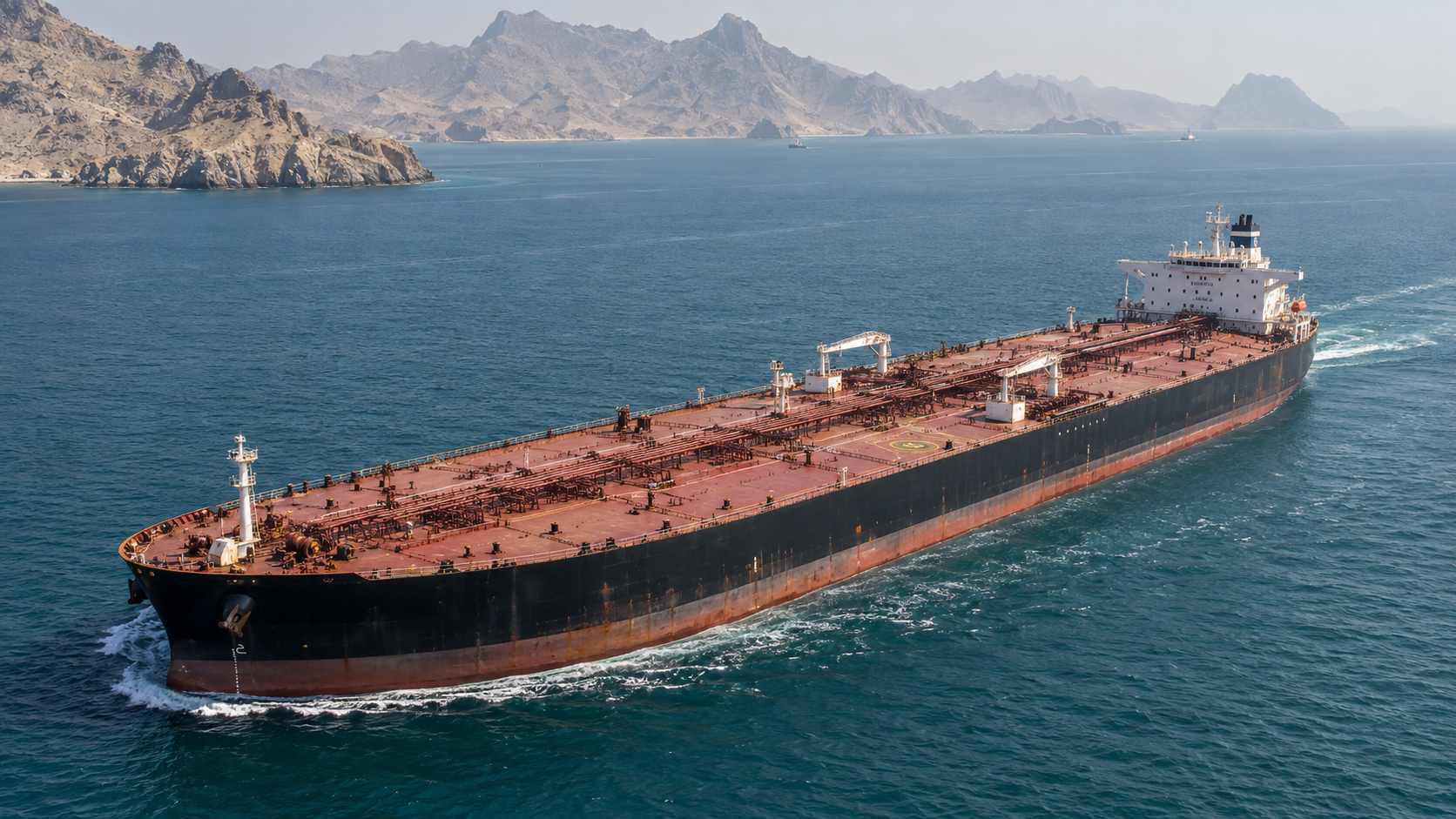
The UK Maritime Trade Operations center said a tanker was hit by an unknown projectile on Thursday afternoon while leaving the Strait of Hormuz. It did not say who was responsible.
What argues against more
The case for a fading premium rests on flows and diplomacy. Trading Economics estimates that regional exports have rebounded to near prewar levels. Iran has received a letter from Vice President JD Vance through Qatari mediators, and Iran's official news agency said shortly after midnight Tehran time, Thursday afternoon in New York, that Tehran had not yet responded. UBS expects Brent to stay around $110 through the end of the year, which would be below where the front month trades today.
Shortage or front-loaded premium?
The tight-market reading: the curve is steeply backwardated, tankers are still being hit near Hormuz, U.S. strike planning has been reported, and Brent has risen four months running.
The front-loaded reading: exports are back near prewar levels, a diplomatic channel is open, and most of the premium sits in contracts that are about to expire, while oil for delivery a year out costs roughly a quarter less.
What to watch
The December contract's final settlement on Friday and where January Brent trades once it becomes the benchmark; any Iranian reply to the Vance letter or the Qatari draft; tanker incidents near Hormuz; and the days after the Nov. 3 U.S. midterm elections.