The utility signed contracts through 2048 to serve a planned Cheyenne campus, with service starting in late 2027. Google advanced $399 million for equipment, and Black Hills expects about $150 million of net income from the project in 2030.
The second power deal Google announced this week is smaller than its nuclear agreement with Constellation Energy and built on natural gas. For the utility involved, it is a much bigger bet relative to its size.
Black Hills said it has signed final contracts with Google, in force since and lasting until 2048, to supply power to a data center the company plans to build in Cheyenne, Wyo. Its shares rose about 8.8% to near $76.96 on Wednesday, adding about $470 million of market value.
The project
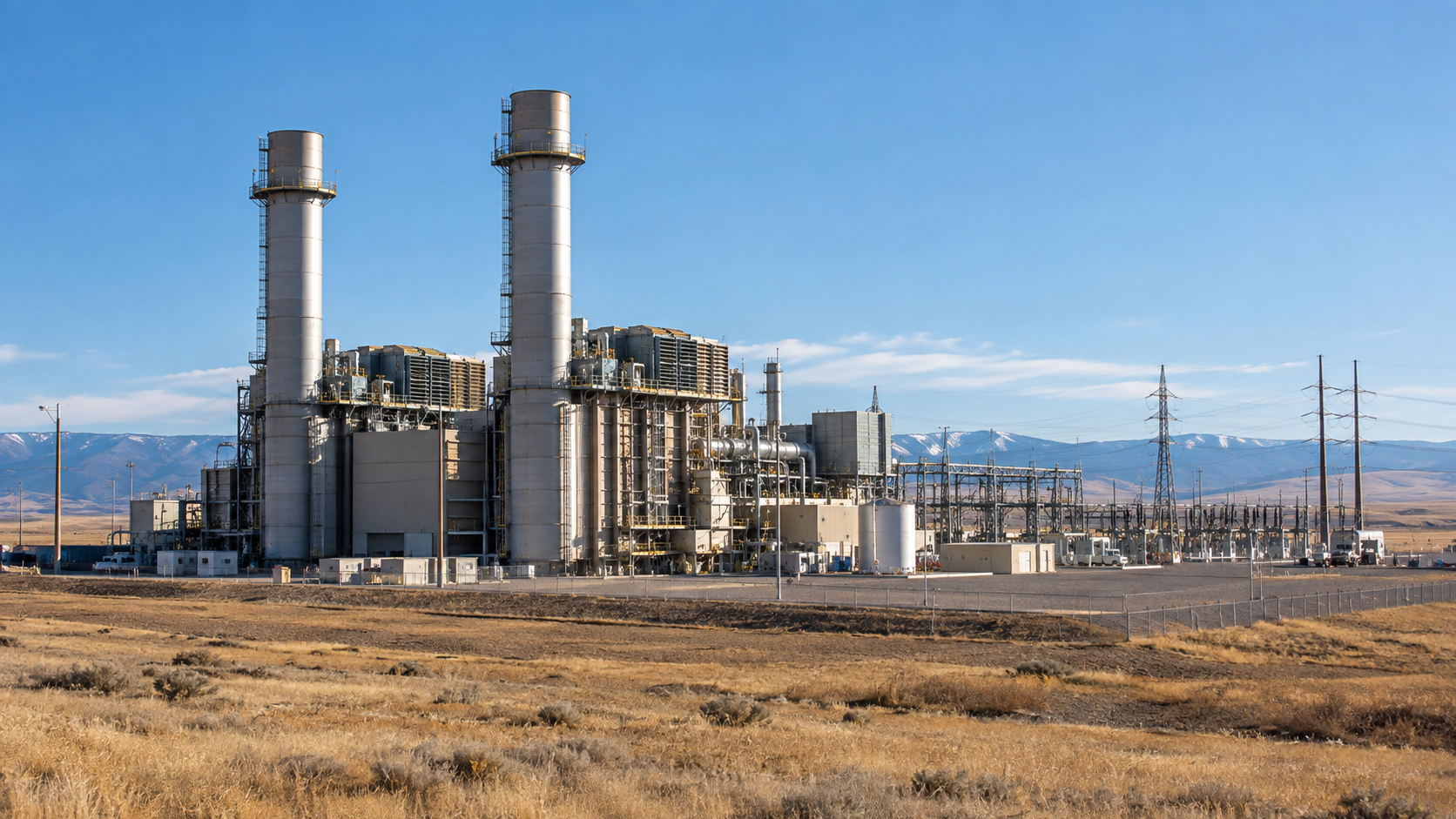
Over 2027 to 2029, Black Hills will put $1.8 billion into new gas-fired units totaling 564 megawatts, sited at its existing Cheyenne Prairie station and owned through an affiliate outside its regulated utility. The company will provide up to 590 megawatts of grid-connected service, with the remainder coming from market purchases and retail service, and will manage about 2.1 gigawatts of third-party resources through a private microgrid. Including reserve margins, the project calls for 2.7 gigawatts of resources.
Service is planned to begin in late 2027 and reach peak load in 2030. Black Hills said its return on the investment and microgrid management fees begin contributing to earnings in 2027, during construction.
The economics
Black Hills projects net income from the project of roughly $150 million in 2030, once the campus reaches peak load. Over the life of the contracts it expects about $2.4 billion of cash flow before financing costs, measured after the $1.8 billion build. Google has already advanced $399 million so the company can order equipment with long lead times; that money is refundable, with repayment expected by the end of June 2027.
According to the company, existing ratepayers will not pick up any of the cost of serving Google. The contracts pass costs through, return the full generation investment over the term, protect Black Hills if the project ends early and require collateral.
Scale against the company
The $1.8 billion investment equals about a third of Black Hills' market value of roughly $5.4 billion before Wednesday's gain. The $150 million of expected 2030 net income works out to about 8.3% of the capital spent. The market value added on Wednesday was about three times that single year of expected income.
Financing
Black Hills has not decided how it will pay for the build. It said it would use project cash flow, debt and "other financing alternatives," and that it is evaluating options "with a focus on earnings accretion while maintaining our solid investment-grade credit ratings." The mix will determine how much of the project's income reaches existing shareholders.
Approvals
Several permits are in hand. A substation certificate was approved in May and an air-quality permit for the plant expansion in August. An industrial siting permit and a transmission certificate have been filed, and a Wyoming transmission expansion application is planned for the fourth quarter.
Competing views
One reading is that long-term contracts with full cost recovery and a single large technology customer turn a regional utility's growth into something closer to contracted infrastructure, which the market rewarded.
Another reading is that the outcome rests on decisions not yet made. The financing mix is open, transmission approvals are pending, and the earnings come from a single customer over a 22-year term.
The next steps
The financing announcement is the first. Equity issuance would dilute the per-share benefit, while debt would raise leverage. The remaining transmission approvals and the repayment of Google's advances by mid-2027 are the other milestones.