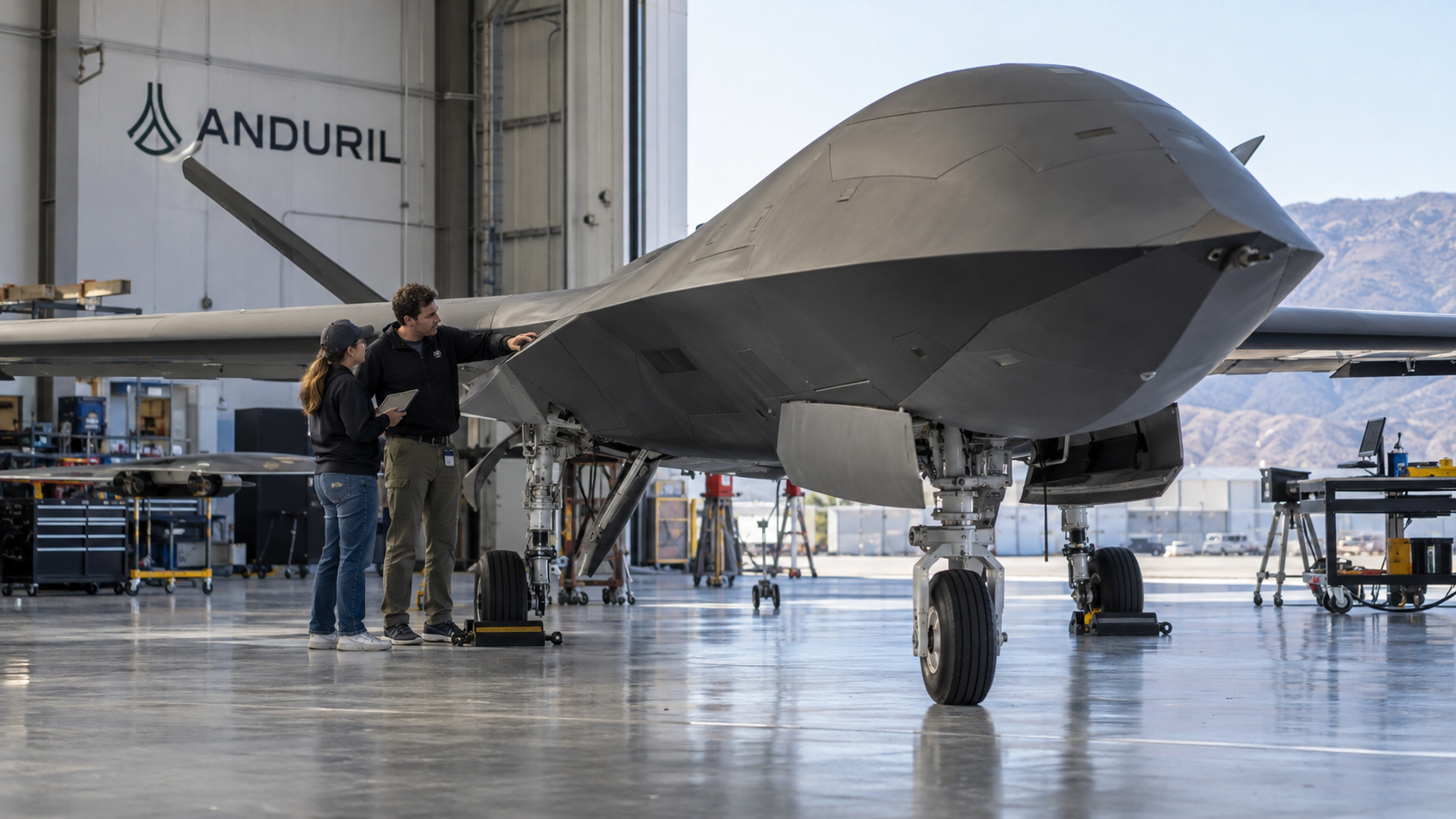
The defense-technology company opened a tender offer at $94.80 a share that runs to Nov. 9. The price is a secondary mark, not a new funding round, and the size limit shows how little of the company is changing hands.
Anduril Industries is giving its employees a chance to cash out at a price that values the company at about $90 billion.
The defense-technology company opened a tender offer on Oct. 13 that allows staff to sell shares at $94.80 each, Bloomberg News reported, citing people familiar with the matter. Purchases are capped at about $1.3 billion, and the offer closes on Nov. 9. Employees in 16 countries are eligible. Anduril confirmed the tender to CNBC. The price is about 48% above the roughly $61 billion valuation set in a funding round in May, by this publication's arithmetic.
What the price is and isn't
A tender offer is a sale of existing shares, not new money for the company. The $90 billion figure reflects the price at which buyers are willing to purchase stock from employees, not a post-money valuation set in a primary round. Who the buyers are, the company itself or outside investors, has not been made clear.
The distinction matters for how investors use the mark. Tender prices are negotiated for liquidity and can sit above or below where a new round would price. They do, however, set a reference point for employee equity and for other secondary trades.
The size of the window
At $1.3 billion, the cap equals about 1.4% of the implied valuation, by this publication's arithmetic. If demand to sell exceeds the cap, employees will be able to sell only part of what they offer. The limit keeps most of the company's equity locked up while letting staff realize some gains.
That is a common design for late-stage private companies that are not ready, or not willing, to list. It relieves pressure from employees who have held stock for years without forcing the company onto a public-market timetable.
The context
Anduril's tender comes as the largest private technology companies weigh different routes to liquidity, with some preparing for public listings and others, like Anduril, giving employees a way to sell while staying private.
Market implications
One reading is that the price is a strong signal of investor demand for defense technology. Buyers are willing to pay about $90 billion for a private defense contractor, and employees get liquidity without the company having to raise or list.
A second reading is that the mark should be discounted. Tender prices reflect a small, negotiated slice of stock, the buyers are not identified, and a capped $1.3 billion transaction says less about value than a fully priced round or a listing would.
What to watch
How much of the cap is used when the tender closes on Nov. 9, any primary funding round that follows, and whether public defense contractors' valuations move toward or away from the private mark.