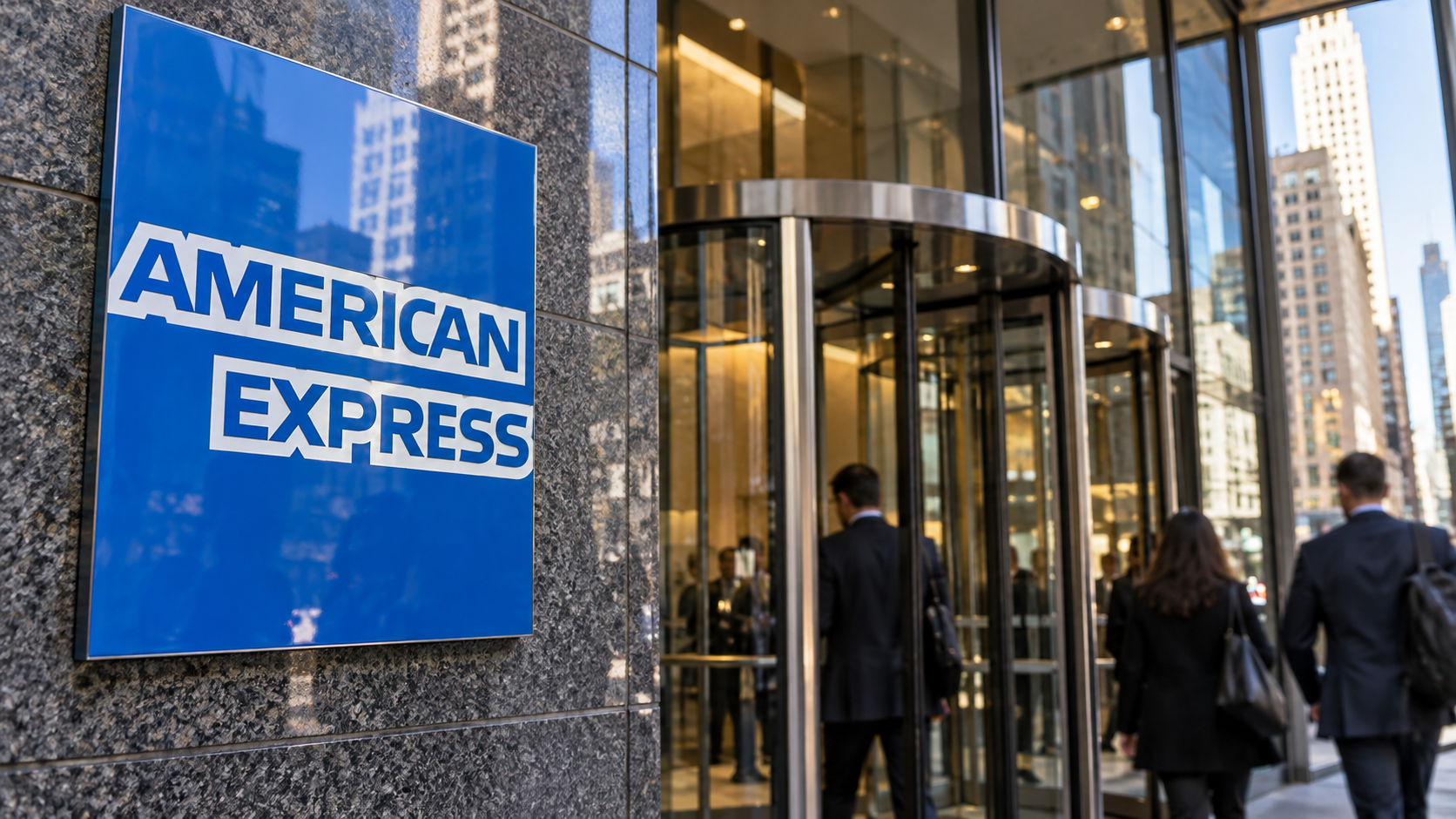
The OCC fined the card issuer's bank and the Federal Reserve ordered enterprise-wide remediation at the parent. The company says part of the penalty was already reserved and the orders carry no asset cap.
Two regulators acted against American Express on Thursday. The company's message to investors was that the cost is already in the numbers.
The Comptroller of the Currency fined American Express National Bank $350 million and ordered it to fix its anti-money-laundering controls. The bank "experienced systemic breakdowns in its suspicious activity monitoring and reporting processes," the OCC said, "resulting in a failure to timely identify, evaluate, and sufficiently report approximately $13 billion of suspected trade-based money laundering activity that took place over the past decade."
The Federal Reserve acted against the parent, American Express Co., and its travel-services arm with an order of its own, saying the weaknesses in the group's financial-crime controls ran across the company and were most pronounced at the bank.
What the company says
In a filing after the close, American Express said it consented to both orders to resolve previously disclosed reviews. "A portion of the civil money penalty was reserved for in prior periods and it does not impact the full-year 2026 guidance," the company said. "The consent orders do not impose an asset cap," and costs tied to them are not expected to affect its 2027 guidance.
The company did not say how much of the penalty had been reserved.
The size
The penalty equals about 0.17% of American Express's market value of roughly $208 billion at Thursday's close. It is about 2.7% of the $13 billion of activity the OCC says was not properly reported.
The heavier requirements are operational. The OCC wants an independent review of past activity to find out whether more suspicious activity reports should have gone to law enforcement, and the Fed has given the parent 90 days to deliver remediation plans overseen by its board.
"American Express failed to maintain a BSA/AML compliance program properly aligned with the money laundering risks of its operations," Comptroller Jonathan Gould said. According to the OCC, the bank sized its money-laundering risk around its small deposit business while giving too little weight to cards, which account for most of its activity.
The stock
American Express closed Thursday at $308.10, up 1.3%, before the regulators' announcements at 4:30 p.m. A single early trade on Friday was at $307. The stock is below its 50-day average of about $326 and about 20% below its 52-week high of $387.49.
The investor debate
On one view, the overhang is now resolved. The penalty is small against the company's size, part of it was reserved, the orders impose no asset cap, and management says guidance for this year and next is intact.
A second reading is that the open items are the ones without a price. The look-back could produce more suspicious activity reports, remediation spending has not been quantified, and the Fed's findings cover the whole enterprise rather than one unit.
Next steps
The 90-day deadline for remediation plans falls in early January. The company's third-quarter results will be the first chance for management to quantify reserves and remediation costs, and any further action from other agencies would change the picture the company described on Thursday.