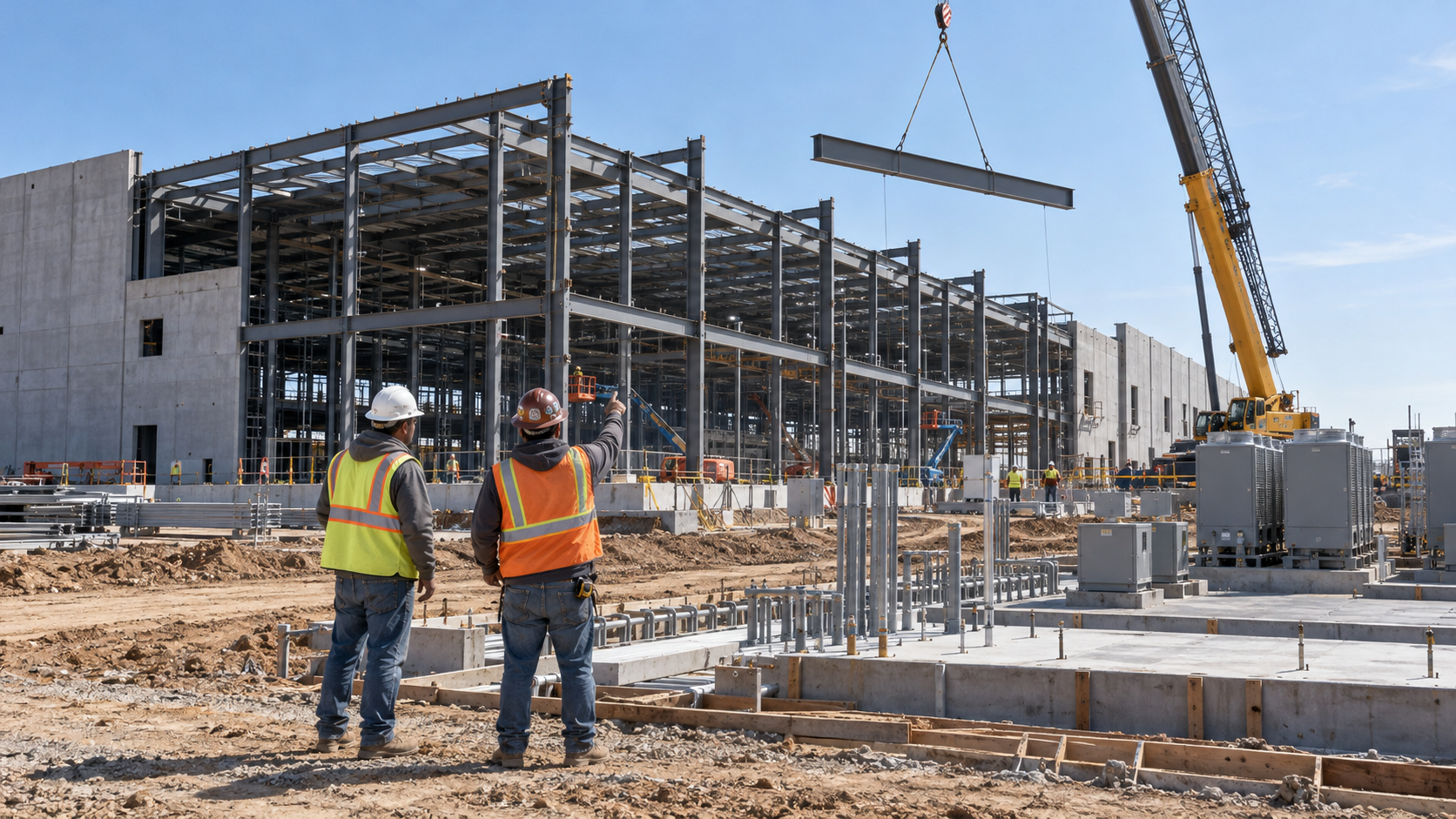
A Nvidia-backed data-center operator shelved a $5 billion listing, banks are looking to offload risk on data-center loans and Tencent's initial pricing on 10-year dollar debt implied a yield above 6%. The cost of funding the AI buildout is rising.
Broadcom's chief executive said on Monday that the biggest constraint on artificial intelligence may now be money rather than hardware. A string of recent deals supports the point.
Last week Firmus, a data-center operator backed by Nvidia, shelved a planned $5 billion initial public offering in Australia citing market conditions. On Monday Hock Tan, chief executive of Broadcom, told a conference in Singapore that "[what] I think might be the biggest constraint is capital." Intel's chief executive, Lip-Bu Tan, separately pointed to the rising cost of capital and to questions about returns on AI spending.
Banks Trimming Exposure
Several large lenders, including JPMorgan Chase, Morgan Stanley, Sumitomo Mitsui Banking and MUFG, are exploring significant risk transfers on their data-center lending as they approach internal limits on AI exposure, according to a news report. In such deals, a bank keeps a loan on its books but sells the risk of losses on part of it to outside investors.
The $38 billion construction loan for data centers leased by Oracle in Texas and Wisconsin has less than $1 billion left to place with investors, and some lenders have sold pieces to nonbank buyers at a discount, according to a separate report.
The Price Of Debt
Borrowing costs show the same pressure. On Tuesday Tencent Holdings was in the market with a bond deal in U.S. dollars and offshore yuan, sized at $4.5 billion or more. Initial guidance on its 10-year dollar notes was about 1.15 percentage points over Treasuries. With the 10-year Treasury yield near 5.2%, that implies a yield of about 6.35% for the Chinese technology group. Final pricing was due later Tuesday.
Last month SoftBank Group paid as much as 9.75% on $4.5 billion of notes due in seven and a half years, part of an $11.1 billion high-yield sale.
Private credit is filling part of the gap. Morningstar DBRS said it issued a record 651 credit estimates in the third quarter, up 64% from the second, driven by private funds and collateralized loan obligations.
A Warning From The IMF
The International Monetary Fund flagged the risk on Tuesday. "The consequences of an AI correction could be global," it said in its financial stability report, which also noted growing evidence that the economic gains from AI investment may be smaller than expected.
"The most important development has been not just bond yields going up, but the volatility for bonds," said Damien Boey, a portfolio strategist at Sydney-based Wilson Asset Management. "Maybe AI capex just comes off the boil a little bit, and maybe a few players are casualties in that."
Market Implications
One reading is that this is discipline, not a crisis. Investors are still funding AI infrastructure, but at higher prices and with more scrutiny, which should weed out weaker projects without stopping the buildout.
A second reading is that the financing chain is starting to strain. When IPOs are pulled, banks look to shed risk and bond buyers demand more yield, projects that depend on cheap capital may be delayed, and the hardware companies supplying them could see orders slow.
What To Watch
Pricing on Tencent's bonds Tuesday, bank commentary on data-center lending in this week's earnings and any further postponed AI-related listings will show whether capital is becoming more selective or more scarce.