Korea posted record exports, Europe's manufacturing gauge hit a four-year high and Japan's big manufacturers grew more upbeat. The detail shows how narrow the boom is.
Three regions reported on their factories within a few hours of each other, and they told the same story: spending on artificial intelligence and defense is overriding the drag from expensive energy.
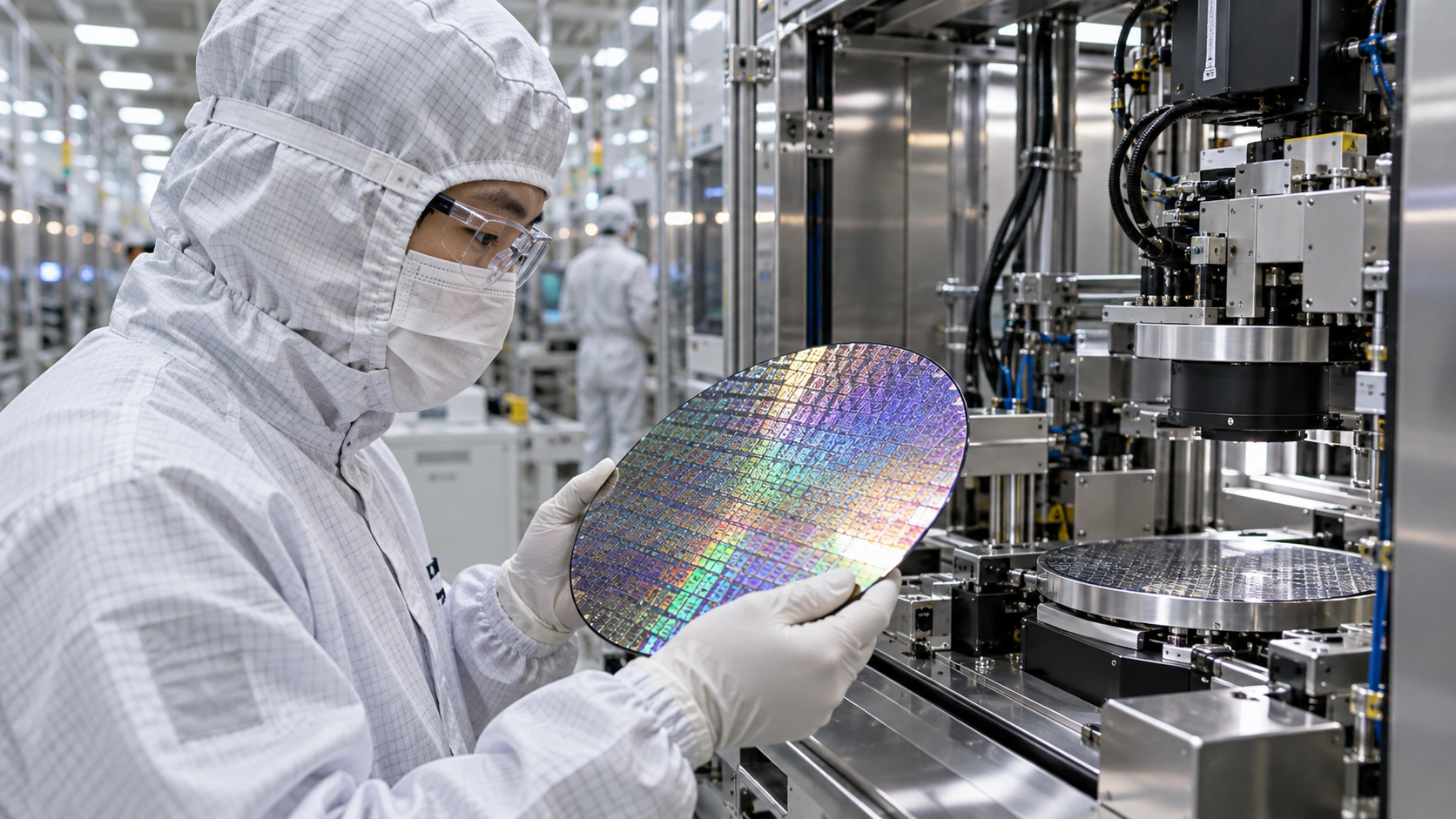
South Korea's September exports jumped 83.5% from a year earlier to a record $120.9 billion. Semiconductor shipments topped $60 billion for the first time, meaning chips alone accounted for roughly half of everything the country sold abroad. Imports rose 26% to $71.09 billion, leaving a trade surplus of $49.85 billion, or about 41 cents of surplus for every dollar exported.
In the euro area, the final manufacturing purchasing managers' index rose to 52.9 from a flash estimate of 52.7, its highest level since May 2022. Output hit a 55-month high of 53.6. S&P Global's chief business economist, Chris Williamson, pointed to demand for investment goods "for AI and defence-related equipment."
Japan's quarterly Tankan survey of large manufacturers improved to 24 from 22, an eight-year high, though it fell short of the 25 economists expected.
The narrow base underneath
The breadth is weaker than the headlines. Euro-area consumer-goods demand fell in September even as capital goods surged. Italy's index barely cleared the line between growth and contraction at 50.4, and France expanded at a slower pace. In Japan, the Tankan reading for large non-manufacturers slipped to 35 from 37, the first decline in five quarters, a drop economists tied to oil costs.
The corporate data point the same direction. Micron Technology reported this week that revenue from its core data center unit rose more than elevenfold from a year earlier.
Why it matters for bonds
The factory numbers feed directly into the debate over why long-term yields keep rising. If AI and defense capital spending is a durable global growth engine, it justifies higher real interest rates and supports cyclical earnings. If the boom is confined to chips and capital equipment while households and service companies weaken under energy costs, the headline indexes overstate how strong the global economy really is.
There is also an inflation wrinkle. Input and output prices accelerated in the euro-area survey, suggesting the capex wave is adding to price pressure rather than offsetting it.
The U.S. test
The Institute for Supply Management's September manufacturing report lands at 10 a.m. Thursday. The prices component, expected near 75 after 71.1 in August, may matter more than the headline. A strong activity reading with hotter prices would extend the global pattern to the United States; a soft reading would suggest America's factories sit on the consumer side of the divide.