Richmond's Tom Barkin said gas prices, Canadian tariffs and AI investment pinching supply chains all pointed to lasting price pressure. Philadelphia's Anna Paulson and New York's John Williams signaled more tightening is likely.
Artificial intelligence has been a story about stock prices and power demand. On Thursday, a Federal Reserve president folded it into the case for higher interest rates.
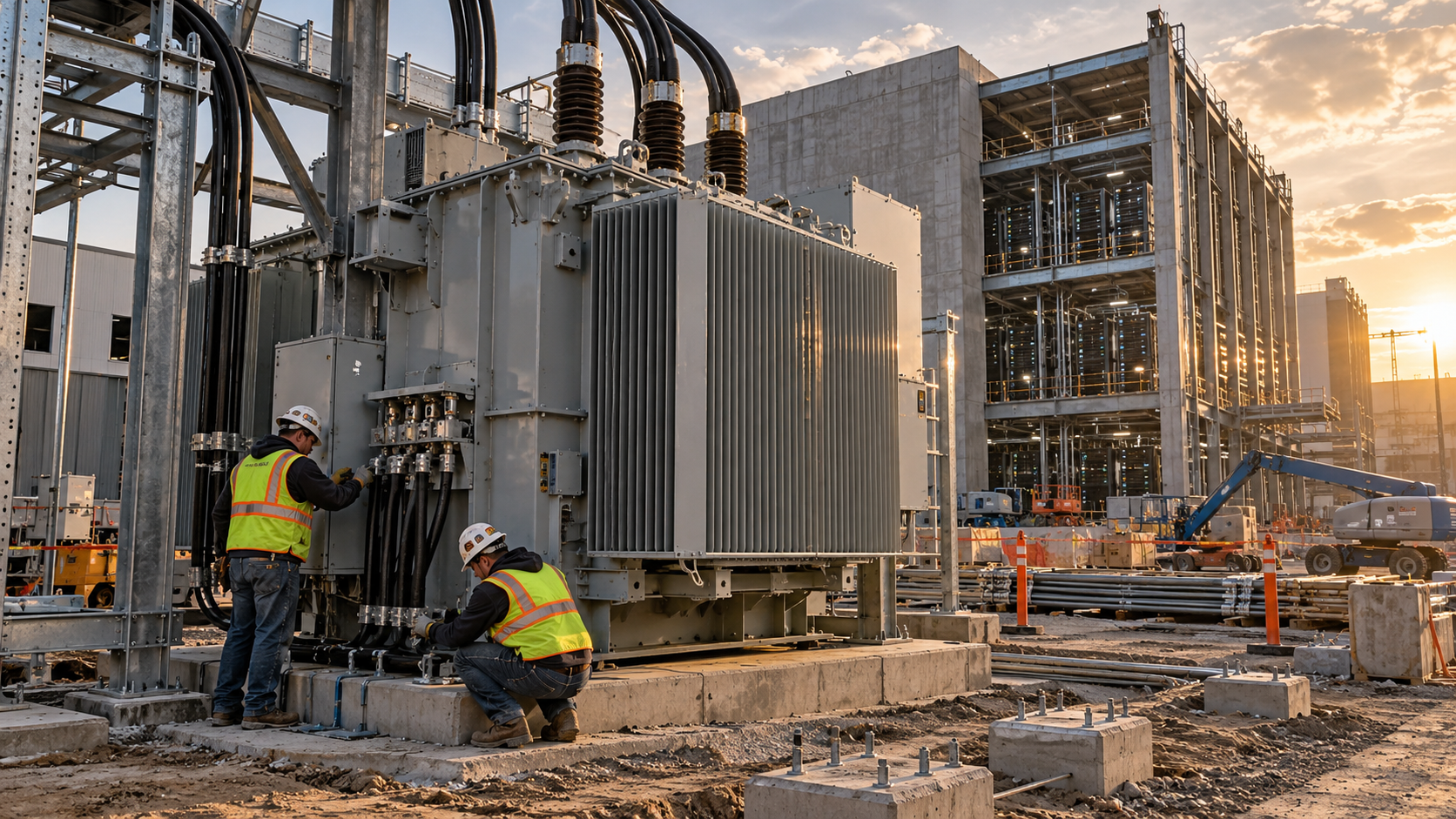
Tom Barkin, who leads the Richmond Fed, said his vote for last week's quarter-point increase reflected a conclusion that several sources of inflation would last longer than he had expected. He named three. Gasoline prices were one. "What happened over the summer is, I think it just got a lot clearer to me and maybe to others that this gas-price thing was going to endure for a while," he said at the Economic Club of Washington, D.C. New tariffs on Canada were a second, a sign that trade costs policymakers had been inclined to discount could linger. The third was AI investment, which he said had started to strain supply chains and push up what consumers pay.
His conclusion followed from there. "So if inflation's not going to come down relatively quickly, then you have to look in the mirror and say, 'Inflation looks like it's been here for a while, so maybe we should do something about it,'" Barkin said. "I think that's what happened."
Philadelphia Fed President Anna Paulson went further on the path ahead. Last week's move lifted the benchmark rate to between 3.75% and 4%, which she said "brings policy closer to what I believe is needed to return inflation to 2%." She added: "Looking ahead, if conditions evolve as I expect, some modest further tightening may be warranted."
Paulson's reading of the data leaves little room for a pause. She put underlying inflation at roughly 2.5% to 3%, "well above our 2% target, and the gap has shown little signs of closing." Her summary of the year was blunt. "The best I can say about underlying inflation this year is that it hasn't gotten worse," she said. She also noted that inflation has stayed elevated even outside the oil shocks tied to the Iran war and tariffs. Output, she said, "has been solid," and the labor market is "holding steady."
In London, John Williams of the New York Fed called one more increase by year-end a "reasonable" expectation. He kept his options open. "But we have to see. We're going to collect the data and do what we did between July and September," he said.
The three speeches came a day after Governor Michael Barr said further policy adjustments were likely needed.
Markets have moved ahead of the officials. Fed funds futures now price a policy rate near 4.8% at the close of 2027. From the midpoint of the current range, that is close to a full percentage point higher, or as many as four more quarter-point increases.
Barkin's third item is the one with the longest tail. Gas prices can fall with a ceasefire and tariffs can be rolled back by negotiation. AI data centers, chip plants and power projects are multiyear build-outs. If officials come to treat that spending as a steady source of pressure on materials, equipment and labor, it would be a reason for tight policy that does not depend on oil.
The next public test comes at the – meeting. Whether the statement or Chair Kevin Warsh's news conference echoes Barkin's supply-chain argument would mark it as a shared framework rather than one official's view.