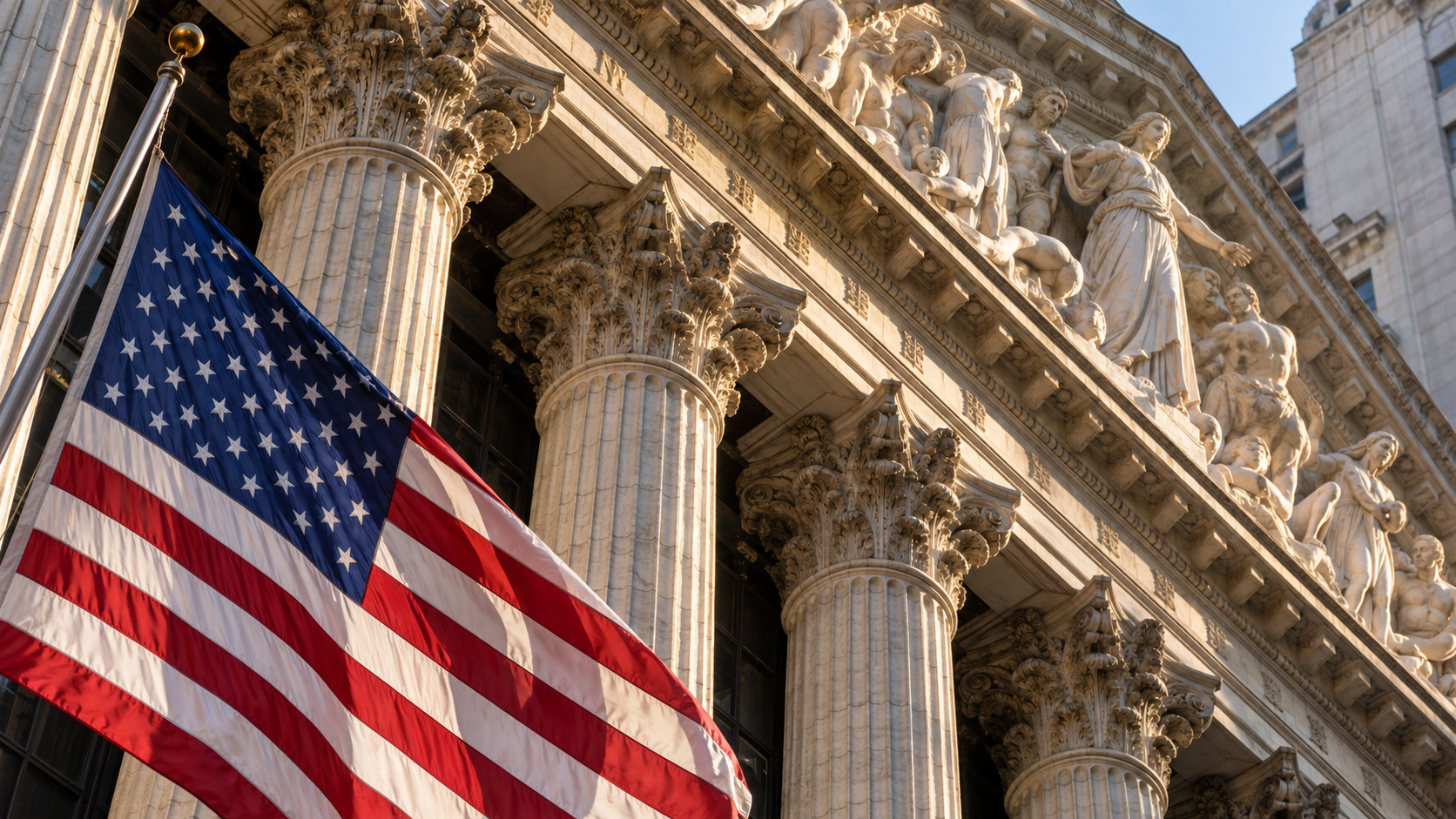
An Oct. 15 notice from OKXICE, the 50-50 venture between the NYSE's parent and crypto exchange OKX, lists nine companies that have objected to tokenized trading of their stock under a new SEC exemption. Each objection bars that venue from listing the company's shares.
Ask U.S. companies whether they want their stock traded on a blockchain around the clock, and some are now answering in writing: no.
A public notice that OKXICE published on Oct. 15 lists nine issuers that have formally objected to the venture trading tokenized versions of their stock. Four of them, Broadcom, CoreWeave, Applied Digital and Cerebras, sit at the center of the AI build-out. The other five are Applied Optoelectronics, AppLovin, Rocket Lab, Verizon and UnitedHealth. OKXICE is owned equally by Intercontinental Exchange, the parent of the New York Stock Exchange, and the U.S. arm of crypto exchange OKX.
The notice was issued under the Securities and Exchange Commission's new exemption for tokenized securities trading, published in September. Under that framework, a company has 30 days from notice to object. If a company objects in time, that venue cannot list it; if it says nothing, the shares can be offered.
Who said no
Eight of the nine were on the original list of 63 stocks the venture planned to offer. Cerebras was not on that list but had objected earlier. Nasdaq, for its part, has kept its own stock out.
Most objectors did not give reasons publicly. Applied Optoelectronics was the exception, pointing, in comments to The Wall Street Journal, to unanswered questions about price formation, liquidity and volatility.
The list leans toward AI infrastructure and other fast-moving stocks, with AppLovin and Rocket Lab among the more volatile large companies alongside the four AI names. For businesses whose shares already swing sharply, trading around the clock on a crypto venue may look like more risk than benefit.
Verizon and UnitedHealth are harder to explain on that basis. Their objections suggest some companies object to the concept, or to this venue, regardless of volatility.
Why it matters
Tokenized stocks promise 24-hour trading and settlement on a blockchain. OKXICE, Securitize, Robinhood and Coinbase are among the firms building products. How many large U.S. companies those venues can actually offer depends on how many issuers stay silent.
The objection right is specific to the venue. A company that objects to OKXICE can still allow tokenized trading elsewhere, including through programs it sponsors itself. That gives issuers leverage and may favor tokenization they control over third-party products.
OKXICE has not announced a launch date.
Market implications
One reading is that resistance is building. Brand-name companies have objected within weeks, which could set a norm and shrink the list further before the 30-day windows close in early November.
A second reading is that the objections are limited. Nine of more than 60 companies have said no, and Nvidia, Apple, Microsoft, Amazon and Alphabet, all on the original list, had not objected as of the Oct. 15 notice.
A third reading is that the objections are about the venue more than the idea, and that issuers prefer tokenization on their own terms.
What to watch
Further OKXICE objection notices before the windows close; whether any of the largest companies on the list object; OKXICE's launch date; and moves by other venues to secure issuer consent. An objection from Nvidia, Apple or Microsoft would turn a niche dispute into a market-structure question.